
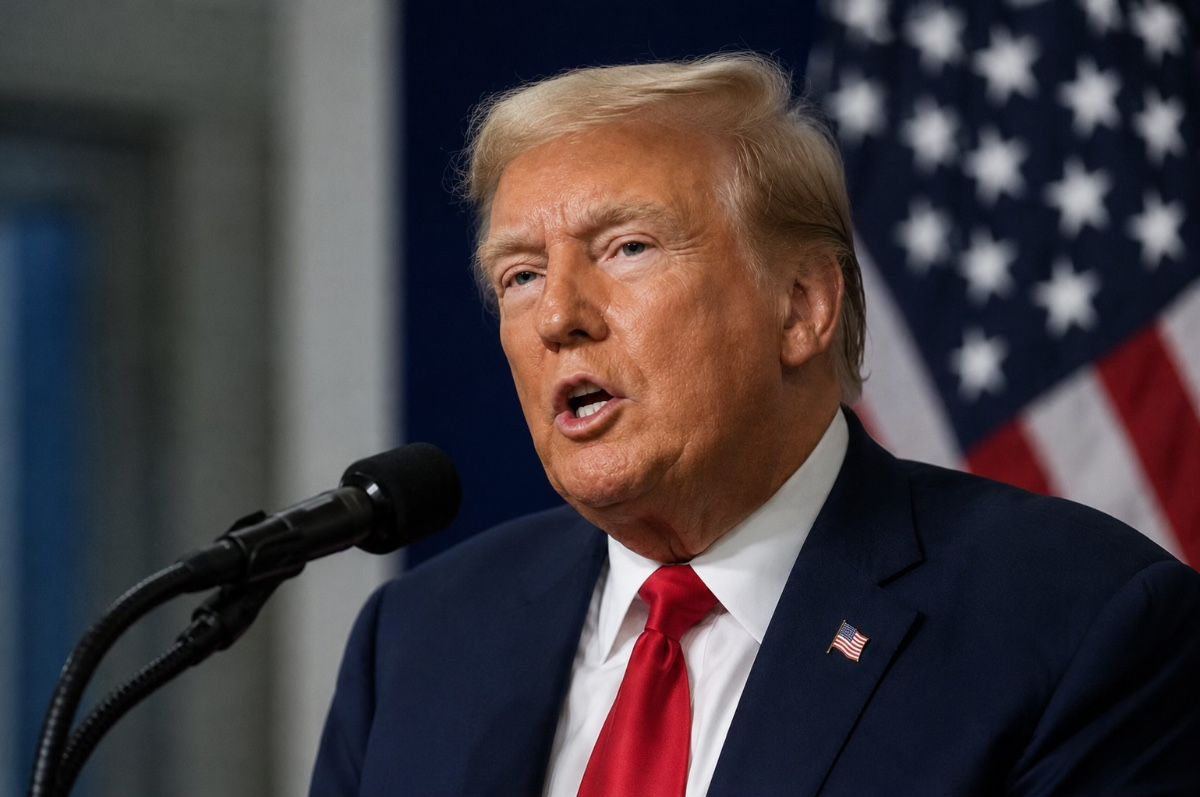
The prospect of renewed diplomatic engagement between the United States and Iran has returned to the spotlight after U.S. President Donald Trump suggested that negotiators could reach a broader understanding on regional security and maritime stability within days.
Speaking amid continuing tensions across the Middle East, Trump said discussions aimed at preserving an existing ceasefire framework and ensuring uninterrupted navigation through the Strait of Hormuz were progressing constructively. While no formal agreement has yet been announced, the comments have fueled speculation that both sides may be seeking to prevent recent military confrontations from escalating into a wider regional crisis.
The remarks arrive at a sensitive moment for global energy markets and international diplomacy, with investors, governments, and security analysts closely monitoring developments in one of the world’s most strategically important regions.
Why the Strait of Hormuz Matters
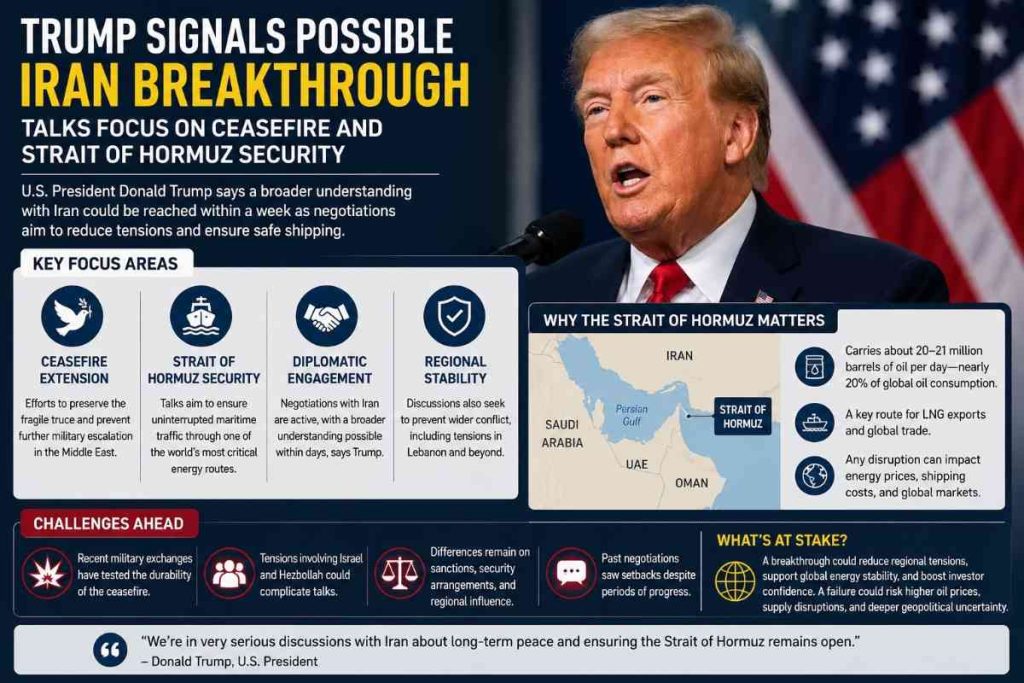
At the center of ongoing discussions is the Strait of Hormuz, the narrow waterway connecting the Persian Gulf to international shipping routes.
A substantial portion of the world’s crude oil exports and liquefied natural gas shipments pass through the corridor each day, making it one of the most important maritime chokepoints in global commerce. Any disruption to traffic through the strait can rapidly influence energy prices, shipping costs, and broader market sentiment.
Over the years, tensions involving Iran, the United States, and regional powers have repeatedly raised concerns about the security of navigation through the waterway. As a result, any agreement that reduces risks to commercial shipping would likely be welcomed by energy-importing nations and global financial markets alike.
Fragile Ceasefire Faces New Tests
Although diplomatic channels remain active, recent events have demonstrated how fragile the current environment remains.
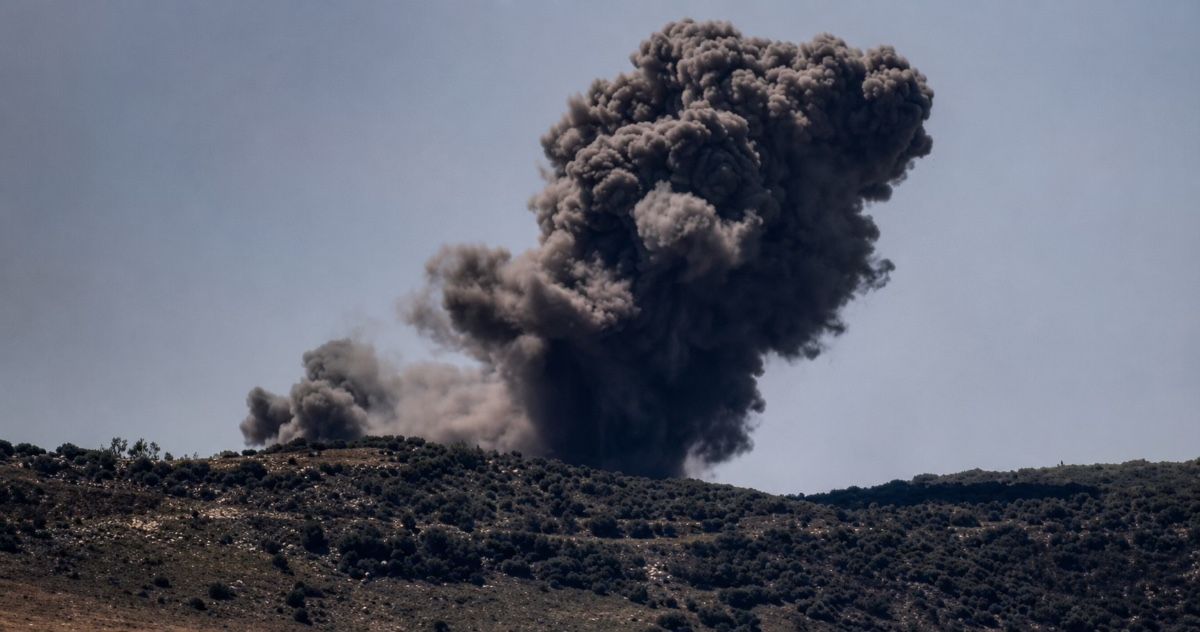
Reports of retaliatory military activity involving regional actors have renewed fears that existing ceasefire arrangements could come under strain. Such developments have complicated efforts to build trust among stakeholders and underscore the challenges facing negotiators attempting to secure a more durable understanding.
Analysts note that ceasefires in the region often face pressure from localized incidents, competing political interests, and actions by armed groups operating across multiple conflict zones. Maintaining stability therefore requires not only bilateral dialogue but also cooperation from a broader range of regional actors.
Lebanon and the Risk of Wider Escalation
Another major concern is the possibility of conflict spreading beyond its current theaters.
Recent military activity involving Israel and Hezbollah has heightened concerns that tensions could spill into neighboring areas and undermine broader diplomatic initiatives. Efforts to prevent a wider confrontation have become increasingly important as regional powers attempt to avoid a chain reaction that could destabilize multiple fronts simultaneously.
Diplomatic observers suggest that any meaningful agreement involving Iran will likely need to address wider security concerns across the region rather than focusing solely on one issue. The interconnected nature of Middle Eastern conflicts means progress in one area can be influenced by developments elsewhere.
Diplomacy Versus Military Pressure
The latest developments highlight the ongoing competition between diplomatic engagement and military deterrence as tools for managing regional crises.
While public statements from both sides suggest that dialogue remains active, significant differences continue to exist on security arrangements, regional influence, sanctions, and long-term stability. Reaching even a limited understanding would require careful negotiation and confidence-building measures from all parties involved.
Political analysts caution that optimism surrounding diplomatic progress should be balanced with recognition of the challenges that remain. Previous negotiations have often experienced setbacks despite periods of apparent momentum.
Global Implications Extend Beyond the Region
The outcome of current discussions could have consequences well beyond the Middle East.
A reduction in regional tensions would likely support stability in global energy markets, ease concerns over shipping disruptions, and improve investor sentiment. Conversely, a breakdown in talks could renew fears of supply disruptions, higher oil prices, and broader geopolitical uncertainty.
For policymakers worldwide, the negotiations represent more than a bilateral diplomatic effort. They are also a test of whether diplomacy can reduce risks in a region that remains central to global energy security and international trade.
A Critical Week Ahead
With multiple diplomatic channels still open and negotiations reportedly continuing, attention is now turning to whether recent optimism can be translated into concrete outcomes.
Any agreement aimed at safeguarding maritime traffic, strengthening ceasefire arrangements, or reducing regional tensions would represent a significant development given the history of confrontation between Washington and Tehran.
For now, markets and governments remain in a wait-and-watch mode. The coming days may determine whether the latest diplomatic push produces a meaningful breakthrough or becomes another chapter in the region’s long-running cycle of negotiation and uncertainty.
Key Highlights
- Donald Trump says a broader understanding with Iran could be reached within a week.
- Discussions reportedly focus on extending ceasefire arrangements and securing shipping through the Strait of Hormuz.
- The Strait of Hormuz remains a critical route for global oil and LNG exports.
- Recent military exchanges have raised concerns about the durability of the current truce.
- Growing tensions involving Israel and Hezbollah could complicate diplomatic efforts.
- Any successful agreement could support global energy market stability and reduce regional risks.
Input & Images : Hindusthan Samachar
Add outlooknews.in as preferred source on google – click here
Also read – RBI Policy Review Begins This Week as Markets Await Fresh Signals on Interest Rates and Inflation
Last Updated on: Tuesday, June 2, 2026 11:20 am by Monisha Angara | Published by: Monisha Angara on Tuesday, June 2, 2026 11:20 am | News Categories: World
About The Author