

India’s festive shopping season has traditionally been a barometer of consumer confidence, discretionary spending and retail demand. But a more fundamental transformation is underway. Consumers are no longer visiting shopping malls solely to make purchases. They are increasingly seeking destinations where shopping, dining, entertainment, wellness and social experiences come together. This shift is redefining not only consumer behaviour but also the economics of India’s retail real estate sector.
The transformation is clearly reflected in leasing patterns. According to CRE Matrix’s India Real Estate Horizons – Retail 2026 report, experience-led categories, including fashion, food and beverage, entertainment, leisure and wellness, increased their share of shopping mall leasing from 54% during 2013–15 to 72% during 2023–25. Conversely, traditional anchors comprising department stores, multi-brand retail and essentials and grocery declined from 31% to 11%.
These numbers signal a structural change in how shopping malls are being conceived, developed and managed.
From Shopping Centres to Social Destinations
For decades, the success of a shopping mall depended heavily on its anchor stores, retail occupancy and the purchasing power of its surrounding catchment. Today, the proposition is considerably broader.
Families increasingly view malls as destinations for spending an entire afternoon or evening. A festive outing may combine apparel shopping, dining, entertainment and leisure activities. Younger consumers are drawn to experiential formats, fitness and wellness offerings, while premium brands are using physical stores to create immersive experiences that cannot be replicated online.
The change is evident in individual categories. Apparel and fashion increased their share of mall leasing from 25% to 35% over the periods studied, while food and beverage rose from 11% to 15%.
Importantly, the growing emphasis on experiences does not diminish the relevance of physical retail. It strengthens the role of well-positioned destinations that can offer consumers something beyond a transaction.
The Economics of Experience-Led Retail
India’s organised retail real estate stock across 12 major markets stands at 186.2 million sq. ft., of which shopping malls account for 114.3 million sq. ft.
Rental performance suggests that demand for quality retail space remains resilient, although outcomes differ considerably across markets. Mumbai and Bengaluru recorded 22% growth in shopping mall rentals over the three years to H1 2026, compared with the pan-India average of 11%. Mumbai commanded the country’s highest average ground-floor shopping mall rental at ₹438 per sq. ft. per month.
For retailers, higher rentals place greater emphasis on store productivity, customer engagement and location selection. For developers, the challenge is to create an environment where consumers have compelling reasons to visit frequently and spend more time.
This requires thoughtful tenant curation, differentiated entertainment offerings, attractive public spaces and a calendar of activities that sustains engagement beyond festive peaks.
Why the Next Generation of Malls Will Be Different
The changing consumer proposition is also influencing development scale.
CRE Matrix research indicates that the average size of new shopping malls is projected to increase from 0.33 million sq. ft. during 2021–25 to 0.59 million sq. ft. during 2026–30, an increase of nearly 80%.
Larger developments can accommodate more diverse retail categories, entertainment zones, food halls, wellness facilities and community spaces. However, size alone will not guarantee success. Accessibility, catchment demographics, tenant quality and the ability to maintain repeat visitation will determine long-term performance.
The festive season offers an important opportunity to observe these changing preferences, but the transformation extends well beyond seasonal consumption.
India’s shopping malls are evolving from places where consumers buy products into destinations where they spend time, socialise and create experiences. The winners in this next phase will not necessarily be the malls with the largest footprints, but those that best understand how consumer expectations are changing.
The future of retail real estate will increasingly be determined not simply by how much space is leased, but by how effectively that space creates reasons for consumers to return.
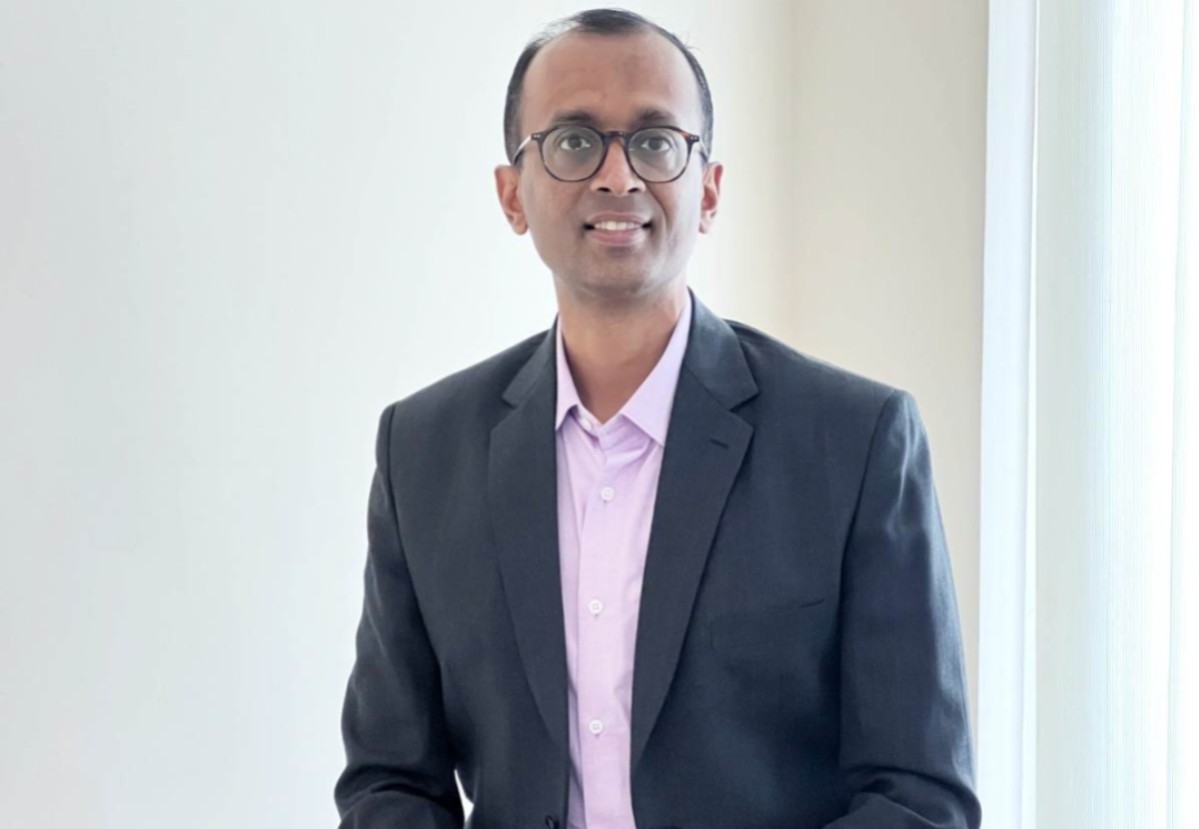
Contributed By Abhishek Kiran Gupta, CEO & Co-Founder, CRE Matrix
Last Updated on: Wednesday, November 4, 2026 6:17 pm by Admin | Published by: Outlook News Team on Wednesday, November 4, 2026 6:17 pm | News Categories: Opinion
About The Author