

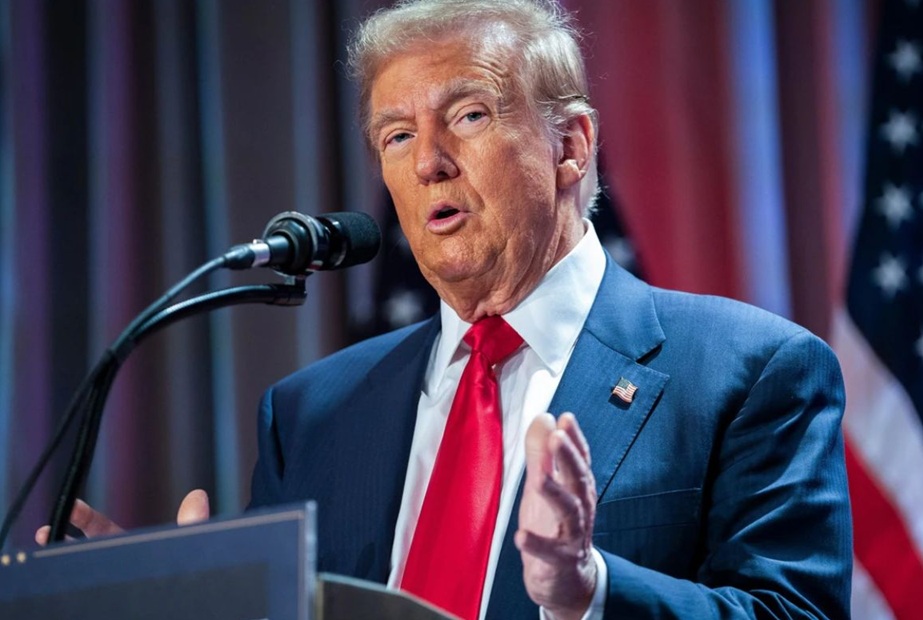
Donald Trump has unveiled a fresh set of trade measures aimed at strengthening domestic manufacturing, including steep tariffs on imported patented drugs and revised duties on key metals. The executive orders, announced on April 3, mark a significant escalation in the administration’s protectionist economic approach.
Key Announcements / Highlights
- 100% tariff proposed on imported patented pharmaceuticals
- Incentives for companies shifting production to the US
- Revised tariff structure on steel, aluminium and copper
- Measures expected to take effect from early next week
New Tariffs Target Pharmaceutical Imports
Under the new policy, imported patented medicines could face tariffs of up to 100% unless manufacturers commit to establishing production facilities in the United States.
Companies that present clear plans to shift manufacturing domestically within a specified timeframe may benefit from reduced duties. Larger firms have a shorter compliance window, while smaller companies are given additional time.
Generic medicines have been exempted for now, and certain countries may receive temporary relief under existing or new trade arrangements.
Metals Tariff Structure Revised
Alongside pharmaceuticals, the administration has introduced changes to tariffs on metals such as steel, aluminium and copper.
The revised framework aims to address concerns over pricing practices in global markets. It also introduces simplified rules for finished goods containing significant metal components, applying a standardised duty rate to such imports.
Official Position
The US administration has framed these measures as necessary to strengthen domestic industry and reduce reliance on foreign supply chains.
Officials argue that encouraging companies to manufacture within the United States will create jobs, enhance economic resilience and support long-term industrial growth.
Context / Background
The announcement comes amid a broader push toward economic nationalism in US trade policy. Similar tariff measures in the past have aimed to protect domestic industries but have also sparked debate over their wider economic impact.
The move also follows earlier tariff initiatives that faced legal and political scrutiny, highlighting ongoing tensions between trade protectionism and global market integration.
Public Impact
The new tariffs could have wide-ranging implications for global trade, particularly for pharmaceutical companies and metal exporters.
For consumers, the impact remains uncertain. While the administration maintains that the measures will not significantly raise prices, analysts warn that higher import costs could eventually be passed on.
Internationally, the policy may prompt responses from affected countries, potentially influencing trade relations and supply chains.
Conclusion
The latest tariff measures signal a renewed emphasis on domestic manufacturing in US economic policy.
As the rules come into force, their effectiveness and impact on global trade and consumer prices—will be closely watched in the coming months.
Input & Images : Hindusthan Samachar
Add outlooknews.in as preferred source on google – click here
Also read – Stock Markets Closed for Good Friday; Trading to Resume on Monday
Last Updated on: Friday, April 3, 2026 3:14 pm by Monisha Angara | Published by: Monisha Angara on Friday, April 3, 2026 3:14 pm | News Categories: News
About The Author