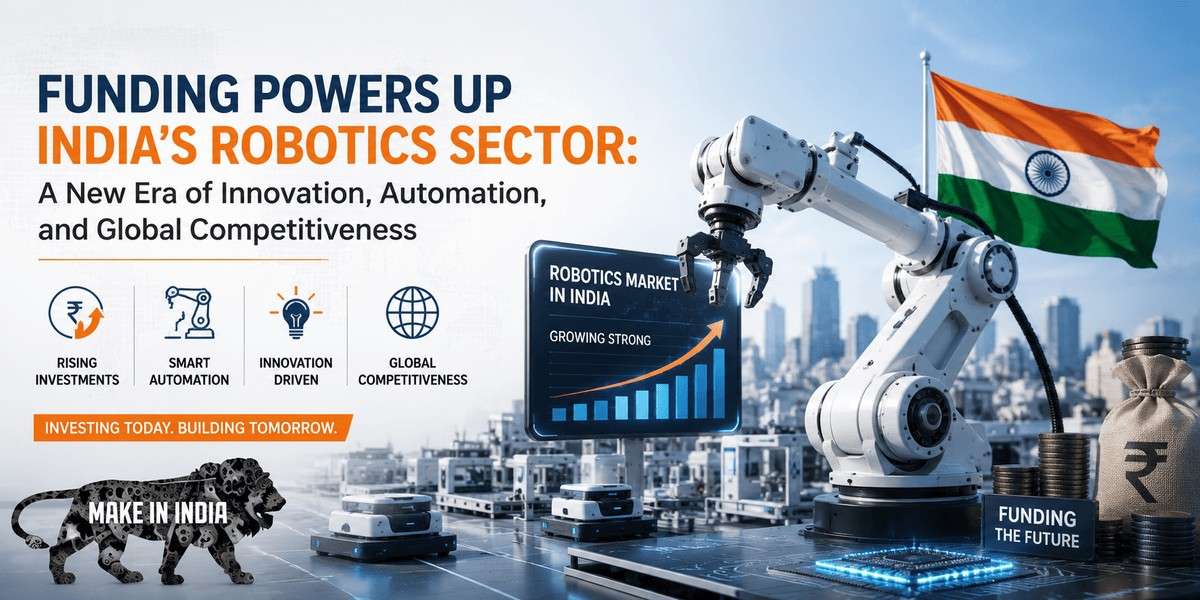

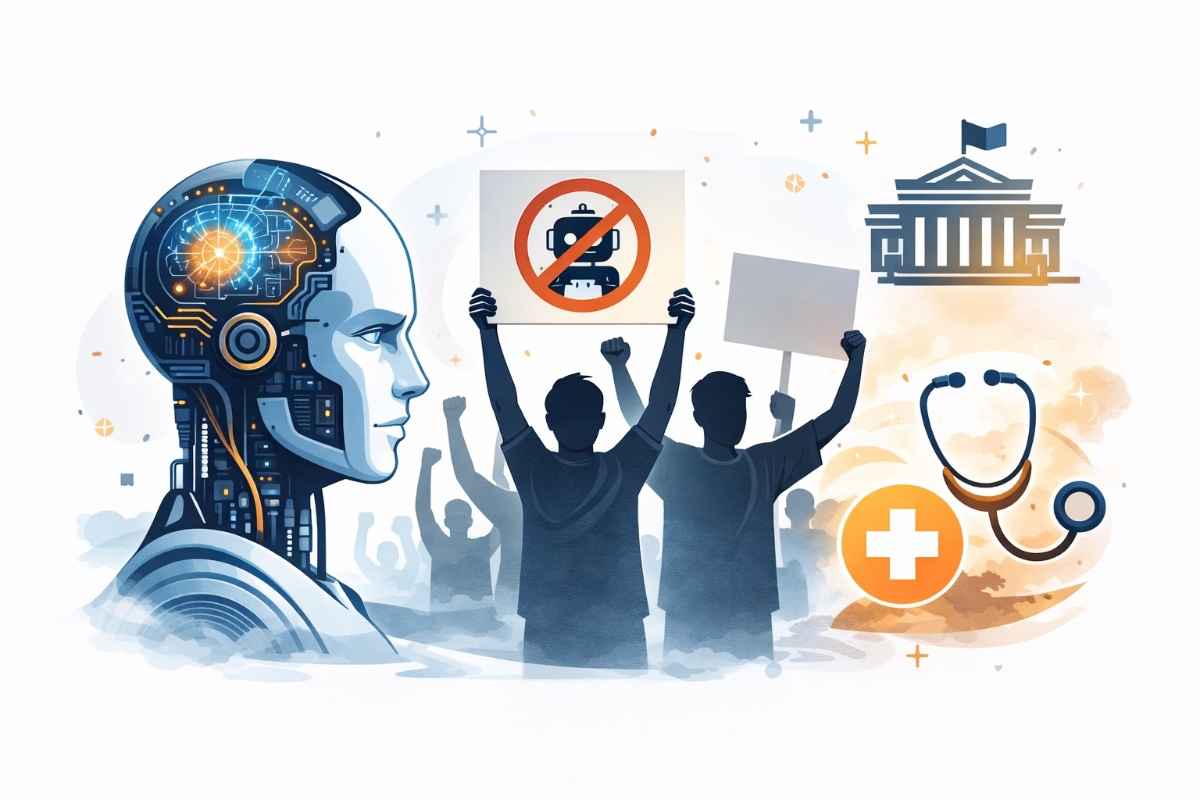
The historic India AI Impact Summit 2026 brought world leaders, tech experts, policymakers, and civil society together to discuss the future of artificial intelligence (AI). Held at Bharat Mandapam in New Delhi from 16 to 20 February 2026, the summit was one of the largest global gatherings on AI ever hosted in the Global South, with more than 20 Heads of State, 60 ministers, and 500 AI leaders participating. While the event highlighted India’s ambitions in AI leadership, it also witnessed protests and heated discussions on AI’s influence in politics, society, and healthcare. These developments have drawn widespread attention, underlining the complex challenges that come with rapid AI adoption.
Why the Global AI Summit Matters Today
Artificial intelligence is transforming how governments plan services, how businesses innovate, and how citizens interact with technology. The India AI Impact Summit is part of a series of global AI dialogues that aim to shape international frameworks on AI governance, ethics, and inclusion. For India and the world this summit was a chance to debate AI’s role in public life, build international cooperation, and explore ways to ensure AI benefits all people. With global tensions around data privacy, job impacts, and use of AI in politics and healthcare, the discussions were both vital and timely.
Overview of the India AI Impact Summit 2026
Historic First in the Global South
The 2026 AI Impact Summit was the first global AI summit hosted in a developing region, a milestone that reflects India’s growing influence in global technology leadership. Organized under the IndiaAI Mission by the Ministry of Electronics and Information Technology, the event brought international focus to responsible and human-centered AI.
Major Participation and Outcomes
- Over 20 Heads of State and 60 national ministers attended major sessions.
- More than 300 exhibitors from 30+ countries showcased AI applications in areas like healthcare, agriculture, and education.
- 88 countries signed the New Delhi Declaration on AI, advocating for democratic, ethical, and inclusive AI governance worldwide
The summit also put a spotlight on AI’s role in healthcare, especially in improving access to diagnostics, telemedicine, and public health systems topics that drew strong global interest.
Protests and Political Tensions at the Summit
Despite the summit’s focus on global cooperation, domestic political conflicts surfaced in dramatic fashion.
Shirtless Protest Interrupted Key Sessions
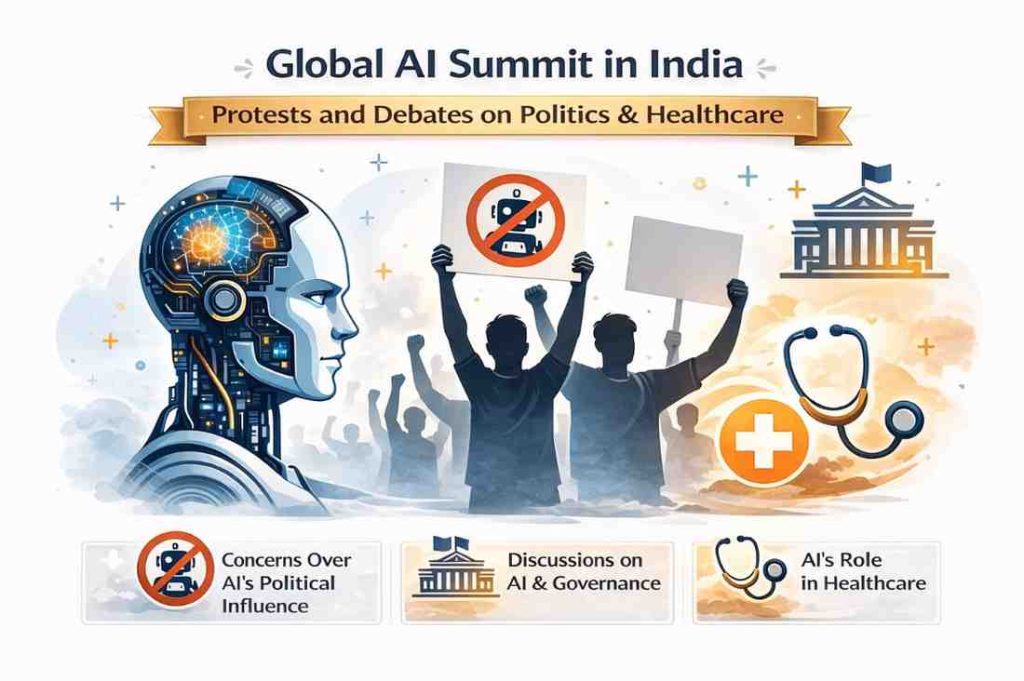
On 20 February 2026, members of the Indian Youth Congress (IYC) staged a protest inside an exhibition hall at the AI Impact Summit venue. The demonstrators, some removing their shirts, raised slogans against the government over political disputes, drawing attention from attendees and media.
The protest led to a brief disruption, with at least 10 people detained by police for their actions. Security was tightened across the venue after the incident.
Political Fallout and Reactions
The demonstration triggered a sharp political response:
- Prime Minister Narendra Modi criticized the protest as inappropriate for an international forum and framed it as “political grandstanding” at a national event.
- The Bharatiya Janata Party (BJP) labeled the protest as harmful to India’s image on the global stage. Some party leaders even used strong language, alleging it bordered on damaging national interests.
- A Delhi court called the protest a threat to India’s reputation at a high-profile diplomatic event, underscoring concerns about maintaining decorum at international gatherings.
- Members of the BJP’s youth wing staged counter-protests in cities like Hubballi and Belagavi, denouncing the IYC for what they called disrespectful conduct.
Meanwhile, figures from other parties and civil society emphasized the importance of peaceful protest in democracies, highlighting that dissent over issues like AI’s political implications and ethical risks is part of public discourse.
Debates on AI’s Role in Politics
Beyond the protests, the summit hosted serious conversations about AI’s impact on political systems and democratic processes.
Risks of Automated Decision Systems
Delegates discussed how AI technologies, when used without safeguards, can influence political narratives, target voters with personalized messaging, and affect public opinion. Experts underlined the need for transparency and ethical standards when applying AI in civic contexts. Discussions drew attention from both governments and civil liberties groups concerned about algorithmic influence on elections and public trust.
Global Standards and Ethical AI
Countries signing the New Delhi Declaration on AI committed to promoting democratic participation in AI governance and ensuring that automated systems do not erode fundamental political rights. The declaration calls for accountability, transparency, and inclusive access to AI technologies a step seen as key to balancing innovation with social fairness.
AI in Healthcare: Opportunities and Concerns
Healthcare was a major summit theme, with experts highlighting both promise and challenges:
AI’s Promise in Healthcare Delivery
AI applications in diagnosis, telemedicine, and large-scale health data analysis could improve access to healthcare in rural and underserved regions. Delegates discussed how predictive models can help track disease outbreaks and tailor treatments more effectively.
Ethical and Regulatory Challenges
At the same time, speakers cautioned about data privacy, algorithmic bias, and equitable access. Ensuring patient data safety and avoiding discrimination in AI-driven health tools were top priorities in panel sessions. These debates are seen as crucial for policymakers planning AI’s integration into national healthcare systems a matter of growing public interest.
Key Takeaways from the Summit
International Collaboration on AI Governance
The broad agreement on the Delhi Declaration signals increased global willingness to work together on inclusive and democratic AI standards. This effort could shape international frameworks and future AI treaties.
Balancing Innovation and Regulation
Summit participants stressed the need for balanced policies that allow technological innovation while protecting democratic rights and social values. This dual focus acknowledges both AI’s transformative potential and its risks.
Public Engagement and Debate
The political protests at the summit highlighted how AI is no longer just a technical issue. It touches public policy, employment, civil rights, and national identity. These debates show that AI governance will require broader participation from civil society, not just technologists and politicians.
Looking Ahead: After the India AI Impact Summit
The discussions and controversies at the summit are likely to influence future global AI dialogues. Many nations are now considering frameworks that combine innovation with ethical safeguards. In India, policymakers and civil society groups may use summit outcomes to shape national AI strategies that account for both economic priorities and democratic values.
The Summit’s blend of policy announcements, international commitments, and public debate makes it a defining moment in global AI governance. As AI becomes increasingly integrated into everyday life, discussions from summits like this will shape how technology serves humanity while guarding against its risks.
For citizens, investors, and tech leaders alike, the India AI Impact Summit 2026 illustrates that artificial intelligence is no longer a distant concept it is central to economic growth, political discourse, and public welfare. And as debates continue, the world will be watching how nations balance progress with principles.
Disclaimer: The information presented in this article is intended for general informational purposes only. While every effort is made to ensure accuracy, completeness, and timeliness, data such as prices, market figures, government notifications, weather updates, holiday announcements, and public advisories are subject to change and may vary based on location and official revisions. Readers are strongly encouraged to verify details from relevant official sources before making financial, investment, career, travel, or personal decisions. This publication does not provide financial, investment, legal, or professional advice and shall not be held liable for any losses, damages, or actions taken in reliance on the information provided.
Last Updated on: Monday, February 23, 2026 3:33 pm by Outlook News Team | Published by: Outlook News Team on Monday, February 23, 2026 3:33 pm | News Categories: Tech
About The Author