
India’s entertainment industry is entering a phase where the opportunity is no longer limited to creating more content or becoming a larger production hub for the world. As technology changes the way content is developed and consumed, and as audiences increasingly look for distinctive characters and stories, the larger opportunity lies in building intellectual property that can create value over the long term. For India, this means moving beyond being the talent and execution engine behind global entertainment and building the capability to create, own and take original Indian IP to the world.
This is a shift that I believe the Indian entertainment industry needs to consciously work towards. India already has the creative and technical talent required to operate at global standards. Having worked for several years with a global company, I have seen this first-hand while being part of projects such as Dunkirk, Tenet and Avengers: Endgame. A significant amount of work for international IPs is being done by Indian talent, and we have learnt from some of the best directors, creators and production environments globally. The question now is how we take that knowledge and use it to build an ecosystem where Indian talent is not only executing global IP but creating and owning IP of its own.
That is the direction we are pursuing at Kayhan Entertainment. Our ambition is to become an IP-driven company and contribute to moving the entertainment business from being predominantly service-led to becoming more focused on IP creation and ownership. We have already launched four original IPs – Chote Tara Ka Bada Gadar, Fab 5, Shivlok Ke Kundakka Mundakka and Smart KidZ. These are part of our larger effort to develop original stories and characters that can build a connection with audiences and potentially grow beyond a single piece of content or platform.
The global entertainment industry has already demonstrated the value of this approach. Studios such as Marvel and DC have built enduring businesses around characters and worlds that they own and continue to develop across formats. India has the opportunity to create similar properties rooted in its own creative ecosystem. We have an enormous pool of stories, cultural influences and creative talent. What we need is the ecosystem that can turn those ingredients into original IP with the potential to travel across markets.
Building that ecosystem also requires us to invest in people. India has one of the youngest populations in the world and a very large talent pool, but graduating from a university or college does not automatically make someone a professional. Creative industries require practical exposure, specialised expertise and hands-on experience. At Macra we are working towards grooming emerging talent by giving them access to expertise and hands-on experience through ongoing projects. The knowledge we have gained from working on large international productions should not remain with one generation. It needs to be passed on to young Indian creators so they can develop the skills and confidence to build the next generation of Indian stories.
The other important part of building an IP is understanding where it is going and who it is being created for. If I were starting an entertainment business from scratch today, I would focus first on building a distribution network and understanding the consumer. Creating an IP is only one part of the journey. We also need to understand what audiences actually want from an IP, how they consume content and what makes them connect with a character or story. Distribution and consumer understanding therefore need to be considered from the beginning, rather than after the content has already been created.
This is also where technology is changing the way we can approach creativity. At Kayhan Entertainment, we sit at the intersection of technology and creativity, and AI is increasingly becoming part of the way we work. One of the biggest advantages it offers is speed. A concept that could earlier take close to a month to develop can now be explored with the help of AI in around an hour. It allows us to move faster, experiment with more ideas and accelerate the journey from concept to execution.
But while the tools are changing, the fundamentals of creativity remain the same. I often think of a simple example: if you give a piece of paper and a pencil to a renowned artist and ask them to draw a straight line, they may not necessarily be able to do it. Give that same pencil and paper to a child, and drawing a straight line may be effortless. The pencil is simply a tool; it is the person using it who determines what can be created.
The same applies to AI. We have to embrace it because the industry is moving forward, and those who do not adapt risk being left behind. But embracing AI does not mean allowing technology to dictate the story. The creative vision, imagination and understanding of what will connect with an audience still have to come from people. AI can fast-track the process, but it cannot replace the thinking behind why a particular story or character deserves to exist.
And that is ultimately where I see the larger opportunity for India. We should not only be asking how Indian talent can contribute to the next global production, but also what the next globally recognised entertainment property can come out of India. We have an enormous creative foundation to build on, from mythology and culture to contemporary Indian experiences and the imagination of a new generation of creators. There is particularly significant room to create characters that can become part of popular culture. India has relatively few home-grown superheroes with sustained global recognition. Beyond Shaktimaan, there is a vast opportunity to create new superheroes and original characters for Indian audiences and eventually take them from India to the world.
For me, the ambition is therefore not simply to create more content. It is to build an ecosystem where Indian talent can create original stories, where technology enables creators to move faster, where distribution and consumer understanding are considered from the outset, and where the IP itself can be owned and developed for the long term.
India already has the talent, the audience, the creative depth and increasingly the technology to make this transition. What we need now is greater focus on ownership and the confidence to create for ourselves. India has spent years proving that it can execute some of the world’s biggest productions. The next chapter should be about proving that India can create and own the world’s next big IPs.
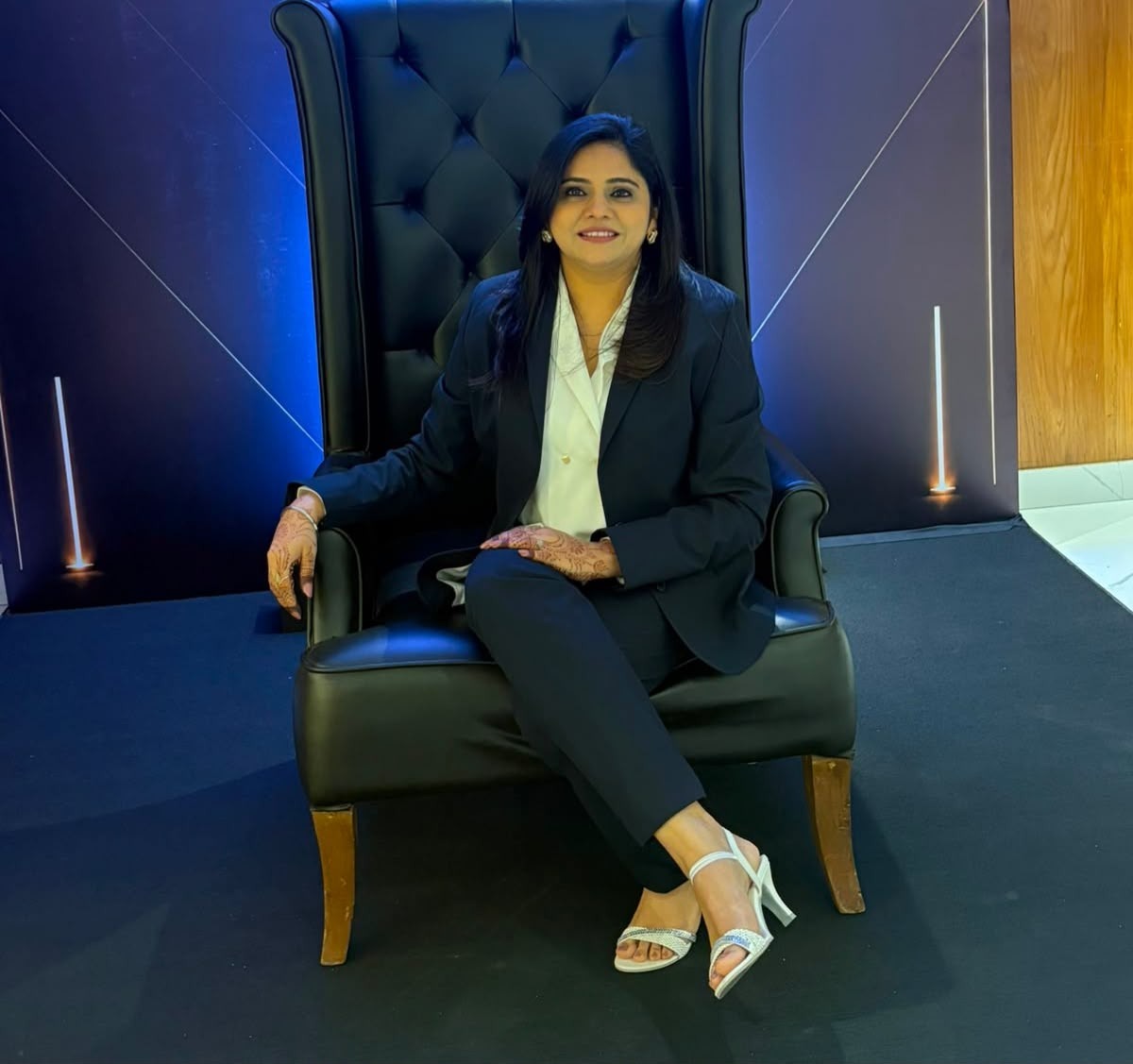
Contributed by Arushi Govil, Co-Founder & Dreamer-in-Chief, Kayhan Entertainment
Last Updated on: Monday, September 21, 2026 12:43 pm by Admin | Published by: Outlook News Team on Monday, September 21, 2026 12:43 pm | News Categories: Brand Post
About The Author