

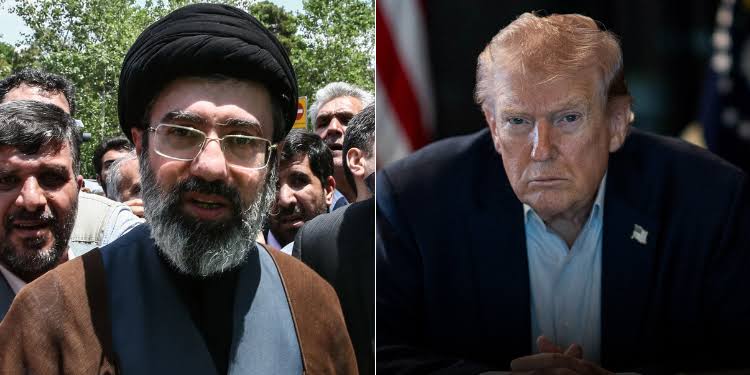
Tehran cites “unreasonable demands” and maritime tensions as risks of renewed conflict grow in the Middle East
Iran has declined to participate in a proposed second round of talks with the United States, raising concerns about the future of a fragile ceasefire set to expire on April 22. The decision comes amid escalating tensions and accusations from both sides over violations and shifting negotiation terms.
Key Announcements / Highlights
Iran has rejected reports of a second round of talks with the United States.
Tehran cited “unreasonable demands” and changing negotiation terms by Washington.
Tensions have increased due to maritime restrictions and alleged ceasefire violations.
The current ceasefire is set to expire on April 22, raising fears of renewed conflict.
Iran’s Position
Iranian authorities have denied claims that negotiations were planned in Islamabad, describing such reports as inaccurate and politically motivated.
Officials argue that the United States has repeatedly altered its stance while imposing conditions that make meaningful dialogue difficult. Tehran has also accused Washington of using public messaging to portray Iran as unwilling to negotiate.
Maritime Tensions and Security Concerns
A key point of dispute is the US-imposed restrictions on Iranian maritime activity. Washington maintains that these measures are aimed at limiting arms movement and maintaining regional stability.
Iran, however, views these actions as a violation of the ceasefire framework and a challenge to its sovereignty. Reports of an incident involving a US naval vessel and an Iranian-flagged ship have further heightened tensions.
US Position and Diplomatic Efforts
US President Donald Trump has reiterated support for a negotiated settlement but warned of potential consequences if an agreement is not reached.
American officials have indicated readiness to continue diplomatic engagement, including proposed talks facilitated through Pakistan, though Iran has expressed scepticism about the process.
Context / Background
The current ceasefire was established following a period of heightened conflict involving Iran, the United States, and regional actors. It temporarily halted hostilities but left several core issues unresolved, including security concerns and regional influence.
The Strait of Hormuz, a key global energy route, remains central to the dispute, making the situation significant for international markets and geopolitical stability.
Public Impact
A breakdown of talks could lead to renewed escalation, affecting civilian populations in the region and disrupting global energy supplies.
Rising tensions may also influence international oil prices and broader economic conditions, given the strategic importance of Middle Eastern shipping routes.
Conclusion and Outlook
With the ceasefire deadline approaching, the absence of renewed dialogue increases the risk of further escalation.
Diplomatic efforts in the coming days will be critical in determining whether the situation stabilises or moves toward renewed conflict, with potential global implications.
Input & Images : Hindusthan Samachar
Add outlooknews.in as preferred source on google – click here
Also read – Sunrisers Hyderabad Sign Gerald Coetzee as Replacement for Injured David Payne in IPL 2026
Last Updated on: Monday, April 20, 2026 10:41 am by Monisha Angara | Published by: Monisha Angara on Monday, April 20, 2026 10:41 am | News Categories: News
About The Author