
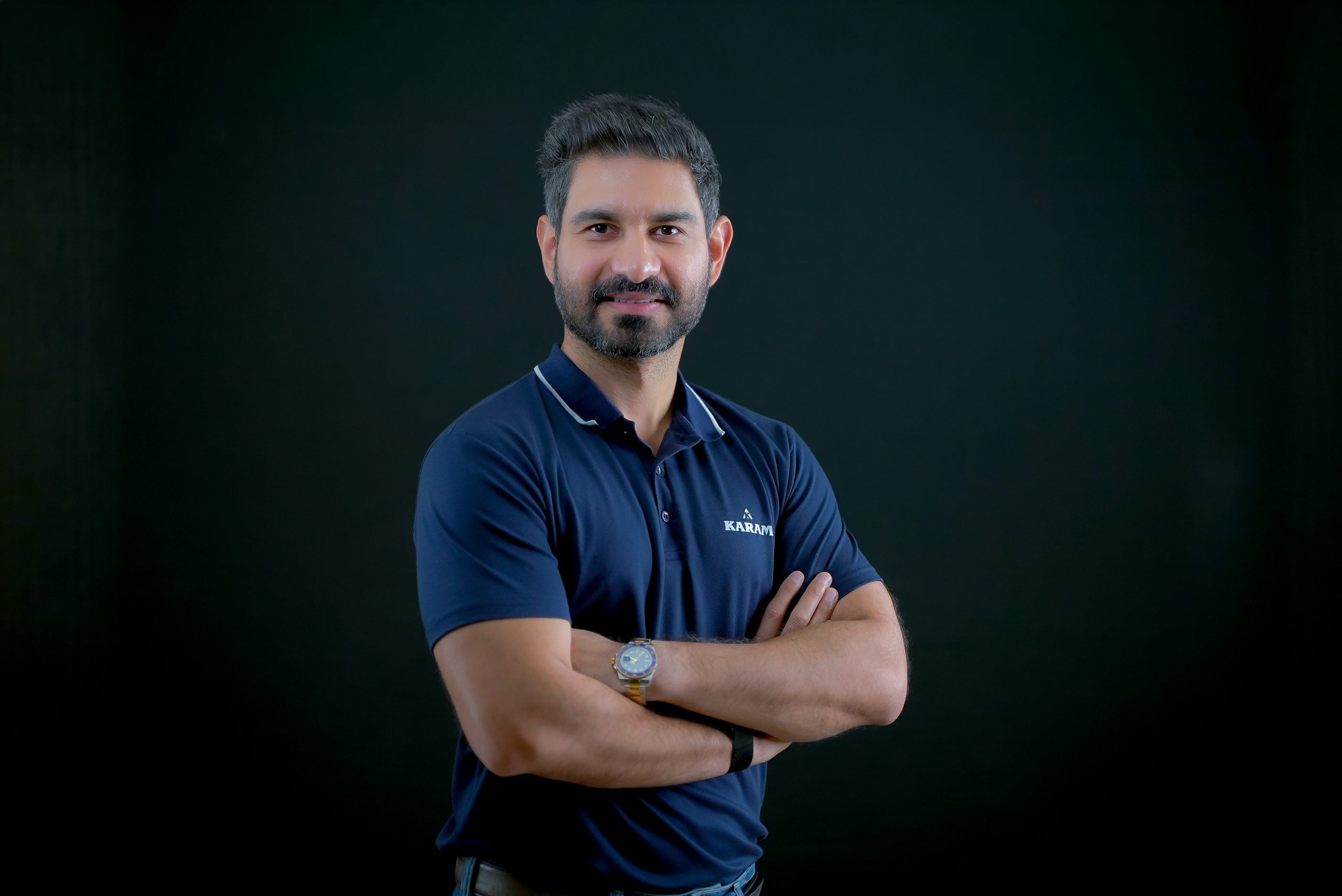
- By Ranjit Sapra
- Director IT & Innovation, KARAM Safety
Family businesses form the backbone of India’s industrial ecosystem, particularly in sectors like manufacturing, construction, and safety equipment. Built on legacy, trust, and deeply rooted relationships, these enterprises have traditionally thrived on experience-driven decision-making. However, as industries undergo rapid digital transformation, family-run organisations face a critical question: how to modernise operations without diluting the values that define them.
From an IT perspective, this transition is not merely about adopting new technologies; it is about reimagining how technology can complement legacy strengths. Many family businesses still operate on fragmented systems, manual processes, and institutional knowledge that resides with a few individuals. While this approach has worked in the past, it presents scalability challenges in today’s data-driven and highly competitive environment.
The first step towards meaningful transformation is recognising that technology is an enabler rather than a disruptor of legacy. Digitisation of core processes—such as supply chain management, inventory tracking, and customer engagement—can significantly improve efficiency and transparency. Enterprise Resource Planning (ERP) systems, cloud computing, and data analytics tools are no longer optional; they are essential for businesses aiming to stay relevant and competitive. The adoption of integrated ERP platforms such as Oracle Fusion has further strengthened process visibility, operational efficiency, and data-driven decision-making across the organisation. However, implementation must be thoughtful and phased to ensure minimal disruption to existing workflows.
One of the key challenges in family businesses is resistance to change, often stemming from a fear of losing control or altering established ways of working. This is where leadership plays a crucial role. The newer generation, often more tech-savvy, must act as a bridge between tradition and innovation. At the same time, it is important to involve senior stakeholders in the transformation journey, ensuring their insights and experience are integrated into new systems.
Another critical aspect is preserving the organisational culture. Family businesses are known for their strong values—trust, long-term relationships, and a people-first approach. As companies adopt automation and digital tools, there is a risk of becoming overly transactional. Technology should instead be used to strengthen these values—for instance, by enhancing customer experience through improved service delivery and empowering employees with tools that make their work more efficient and meaningful.
Cybersecurity and data governance are also becoming increasingly important. As businesses digitise, they must invest in robust security frameworks to protect sensitive information. This is particularly crucial for industries dealing with large supply chains and multiple stakeholders, where data integrity and reliability are paramount.
The role of data cannot be overstated. Modern IT systems enable businesses to move from intuition-based decisions to insight-driven strategies. Predictive analytics can help in demand forecasting, risk management, and operational planning, enabling businesses to become more proactive rather than reactive.
Ultimately, modernising a family business is not about replacing the old with the new; it is about creating a harmonious blend of both. The soul of a family enterprise lies in its values, relationships, and long-term vision. Technology, when implemented with sensitivity and strategic intent, can amplify these strengths rather than overshadow them.
As industries continue to evolve, those family businesses that successfully integrate tradition with transformation will not only sustain their legacy but also set new benchmarks for resilience and innovation.
Last Updated on: Wednesday, June 24, 2026 10:49 pm by Prachi Chadha | Published by: Outlook News Team on Wednesday, June 24, 2026 10:49 pm | News Categories: Brand Post
About The Author