

The Bharatiya Janata Party (BJP) has nominated Ratna Debnath, mother of a young doctor who was a victim in the RG Kar rape and murder case, as its candidate for the Panihati Assembly seat in West Bengal’s North 24 Parganas district.
The announcement was accompanied by strong political messaging, with BJP leaders framing the contest as a broader demand for justice.
Key Announcements / Highlights
- BJP fields Ratna Debnath from Panihati Assembly constituency
- Candidate is mother of RG Kar case victim
- Party presents election as a “fight for justice”
- BJP criticises West Bengal government over case handling
- Political contest intensifies in North 24 Parganas district
Official Statement
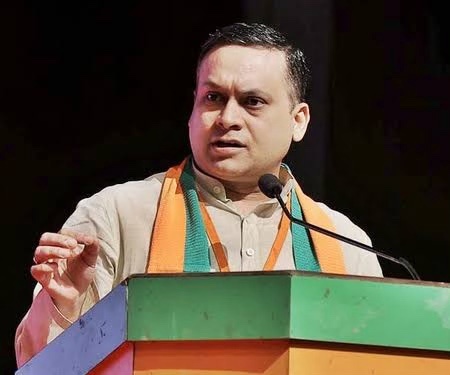
BJP leader Amit Malviya said the decision to field Debnath goes beyond routine electoral strategy, describing it as an effort to seek accountability in the high-profile case.
In a statement shared on social media, he alleged lapses in the state government’s handling of the investigation, including issues related to evidence preservation and procedural conduct.
Malviya also appealed to voters to support the candidate, framing the election as an opportunity to demand justice.
Context / Background
The RG Kar rape and murder case has drawn significant public attention in West Bengal, raising concerns over law enforcement procedures and the handling of sensitive investigations.
The case has become a political flashpoint, with opposition parties questioning the state government’s response, while the ruling administration has defended its actions.
Panihati, located in North 24 Parganas, is considered a politically important constituency, and the candidate selection reflects an attempt to connect the election narrative with a high-profile issue.
Public Impact
The move is likely to intensify political debate around law and order and accountability in the state. For voters, the issue may influence perceptions of governance and justice delivery.
By fielding a candidate directly linked to the case, the BJP appears to be positioning the election as a referendum on the handling of the incident.
Such developments may also bring renewed public focus on the case and its legal proceedings.
Conclusion
As the Panihati Assembly contest unfolds, the nomination of Ratna Debnath adds a significant emotional and political dimension to the campaign.
The outcome may reflect not only electoral dynamics but also broader public sentiment on justice, governance, and accountability in West Bengal.
Input & Images : Hindusthan Samachar
Last Updated on: Thursday, March 26, 2026 4:45 pm by Monisha Angara | Published by: Monisha Angara on Thursday, March 26, 2026 4:45 pm | News Categories: News
About The Author