
Government Reviews Security Situation as Tensions Rise in Middle East
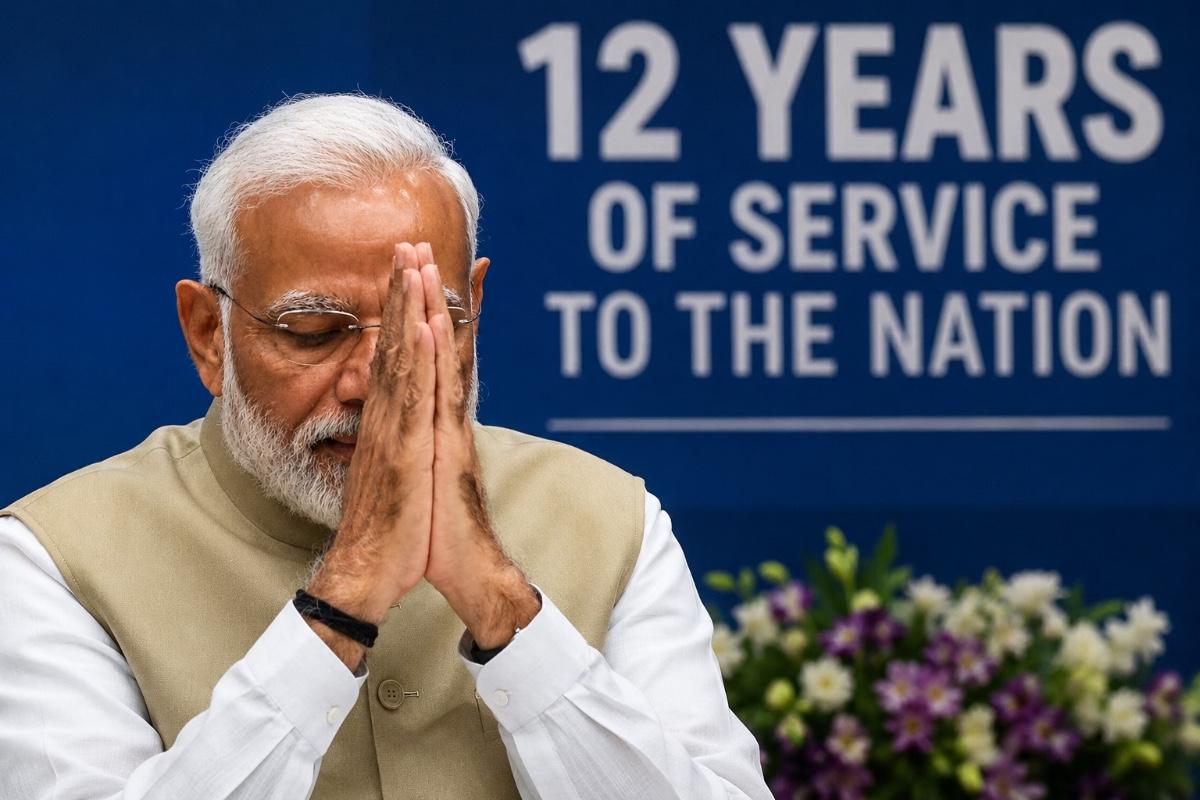
Prime Minister Narendra Modi on Monday chaired a high-level meeting to review the rapidly evolving situation in the Middle East and assess its impact on Indian nationals living and working in the region.
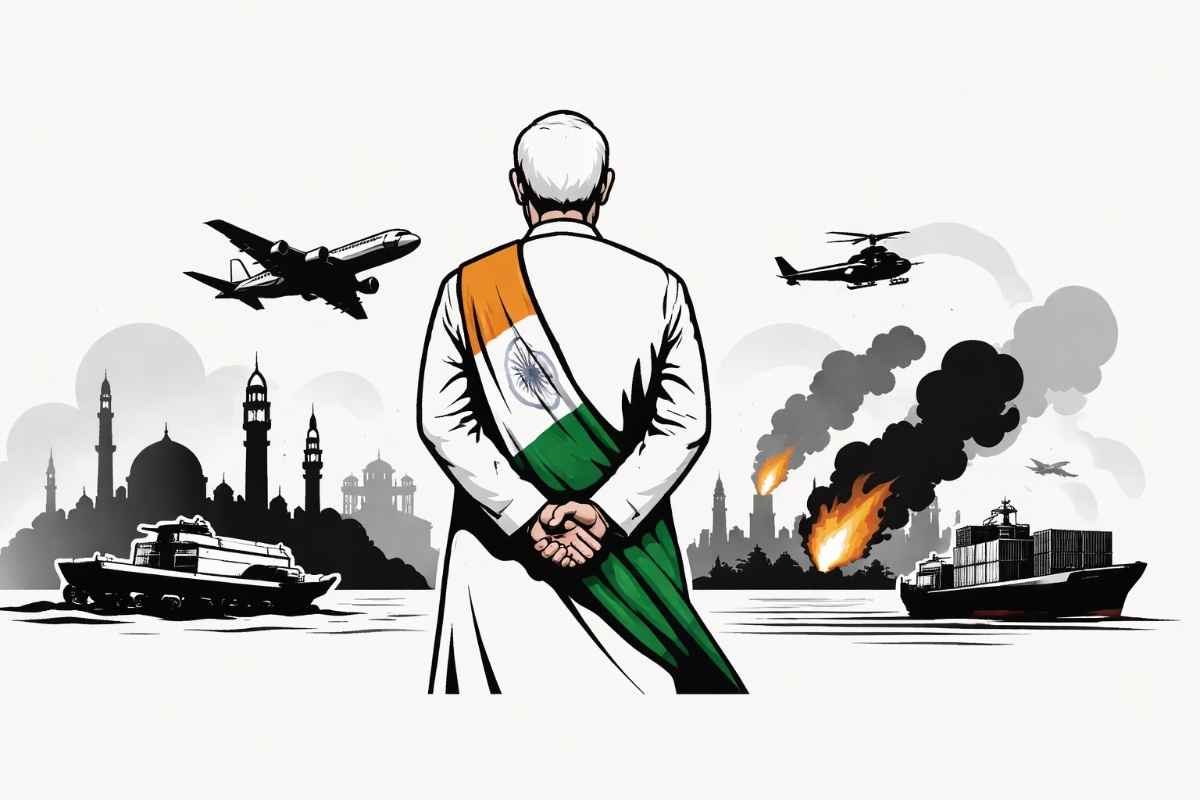
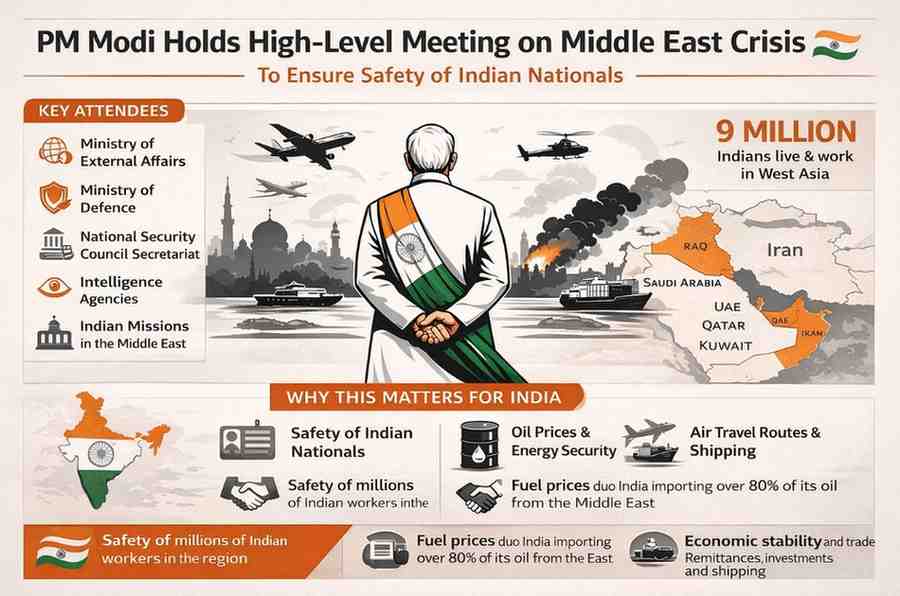
The meeting comes at a time when tensions in parts of the Middle East have increased, raising concerns about regional stability, global oil prices, and the safety of foreign citizens. For India, the development is significant. Nearly 90 lakh (9 million) Indians live and work across West Asia, making it a region of deep strategic and economic importance.
The government said the safety and welfare of Indian nationals remain its top priority.
Who Attended the High-Level Meeting?
Senior officials from key ministries were present during the review meeting.
These included representatives from:
- The Ministry of External Affairs
- The Ministry of Defence
- The National Security Council Secretariat
- Intelligence agencies
- Indian missions in the Middle East
The discussion focused on real-time developments, security updates, and contingency planning in case the situation worsens.
Why This Meeting Matters for India
The Middle East is critical for India for several reasons:
- A large Indian diaspora lives in countries such as Saudi Arabia, United Arab Emirates, Qatar, Kuwait, Oman, Israel, and Iran.
- India imports a major share of its crude oil from the region.
- Bilateral trade with Gulf nations runs into billions of dollars annually.
Any instability in the region can affect:
- Oil prices
- Global supply chains
- Air travel routes
- Indian workers abroad
That is why the Prime Minister’s review meeting is seen as a proactive step.
Focus on Safety of Indian Nationals
Indian Missions Asked to Stay Alert
Sources said Indian embassies and consulates in the region have been asked to remain on high alert.
Officials are:
- Monitoring the situation closely
- Staying in touch with local authorities
- Keeping contact details of Indian citizens updated
- Reviewing emergency evacuation plans
Indian nationals in sensitive areas have also been advised to follow local advisories and remain cautious.
No Immediate Evacuation Announced
As of now, the government has not announced any evacuation plan. However, contingency measures are being kept ready.
In the past, India has successfully conducted large-scale evacuation missions, including:
- Operation Rahat (2015) in Yemen
- Operation Ganga (2022) during the Ukraine conflict
- Operation Kaveri (2023) in Sudan
These operations highlight India’s ability to respond quickly during crises abroad.
Impact on Oil and Economy Under Review
Oil Supply and Energy Security Discussed
India imports over 80% of its crude oil needs, with a large portion coming from the Middle East.
Officials are closely watching:
- Global crude oil prices
- Shipping routes in the Gulf region
- Possible disruptions in supply
Any sharp increase in oil prices can impact fuel rates in India and put pressure on inflation.
The government is expected to maintain close coordination with oil marketing companies and energy suppliers.
Air Travel and Shipping Routes Being Monitored
The meeting also reviewed airspace safety and maritime security.
Escalation in the region can affect:
- International flight routes
- Cargo shipments
- Insurance costs for ships
Indian authorities are in touch with airlines and shipping operators to assess risks and avoid disruptions.
India’s Diplomatic Approach
India has traditionally maintained balanced relations across the Middle East.
It has strong ties with:
- Gulf countries
- Israel
- Iran
New Delhi has consistently called for restraint, dialogue, and peaceful resolution of conflicts.
Diplomatic sources indicate that India continues to engage all sides through diplomatic channels while ensuring that national interests are protected.
Advisory for Indians in the Region
While there is no immediate cause for panic, Indians living in affected areas are advised to:
- Stay updated with official advisories
- Register with the nearest Indian embassy
- Avoid unnecessary travel to conflict zones
- Follow local government instructions
The Ministry of External Affairs regularly updates travel advisories on its official website and social media platforms.
Political Reactions in India
The development has drawn attention across political lines.
Government leaders have stressed that the Centre is fully prepared to handle any emergency.
Opposition leaders have also called for constant monitoring of the situation and timely action to protect Indian citizens.
National security experts say early review meetings help prevent panic and allow smooth coordination if action becomes necessary.
What Happens Next?
The situation in the Middle East remains fluid.
The government is expected to:
- Continue daily monitoring
- Maintain diplomatic contact
- Prepare evacuation logistics if needed
- Review energy and economic implications
There is no immediate change in travel policy as of now.
Why Indian Readers Should Watch This Closely
This development matters for Indian citizens for three main reasons:
- Safety of Indians Abroad – Millions of families in India depend on relatives working in the Gulf region.
- Fuel Prices – Any major disruption can affect petrol and diesel prices.
- Economic Stability – Trade, remittances, and shipping could be impacted if tensions rise further.
Remittances from the Gulf region form a significant portion of India’s foreign inflows. Any prolonged crisis can affect income flows back home.
India’s Crisis Management Track Record
India has built a reputation for strong crisis response.
From evacuations in war zones to disaster relief operations, the government has shown the ability to mobilize quickly.
The Prime Minister’s meeting signals preparedness rather than alarm.
Officials say India is ready for all scenarios but hopes that tensions will ease through diplomatic efforts.
Conclusion
Prime Minister Narendra Modi’s high-level review meeting reflects the seriousness with which India is tracking the Middle East crisis.
With nearly 9 million Indians in the region and strong energy and trade ties, the stakes are high.
For now, there is no immediate threat to Indian nationals. But the government has made it clear that it is closely watching developments and will act swiftly if required.
Indian citizens are advised to stay informed through official channels and avoid spreading unverified information.
As the situation unfolds, safety, diplomacy, and economic stability remain India’s top priorities.
Disclaimer: The information presented in this article is intended for general informational purposes only. While every effort is made to ensure accuracy, completeness, and timeliness, data such as prices, market figures, government notifications, weather updates, holiday announcements, and public advisories are subject to change and may vary based on location and official revisions. Readers are strongly encouraged to verify details from relevant official sources before making financial, investment, career, travel, or personal decisions. This publication does not provide financial, investment, legal, or professional advice and shall not be held liable for any losses, damages, or actions taken in reliance on the information provided.
Last Updated on: Monday, March 2, 2026 10:23 am by Outlook News Team | Published by: Outlook News Team on Monday, March 2, 2026 10:23 am | News Categories: India
About The Author