

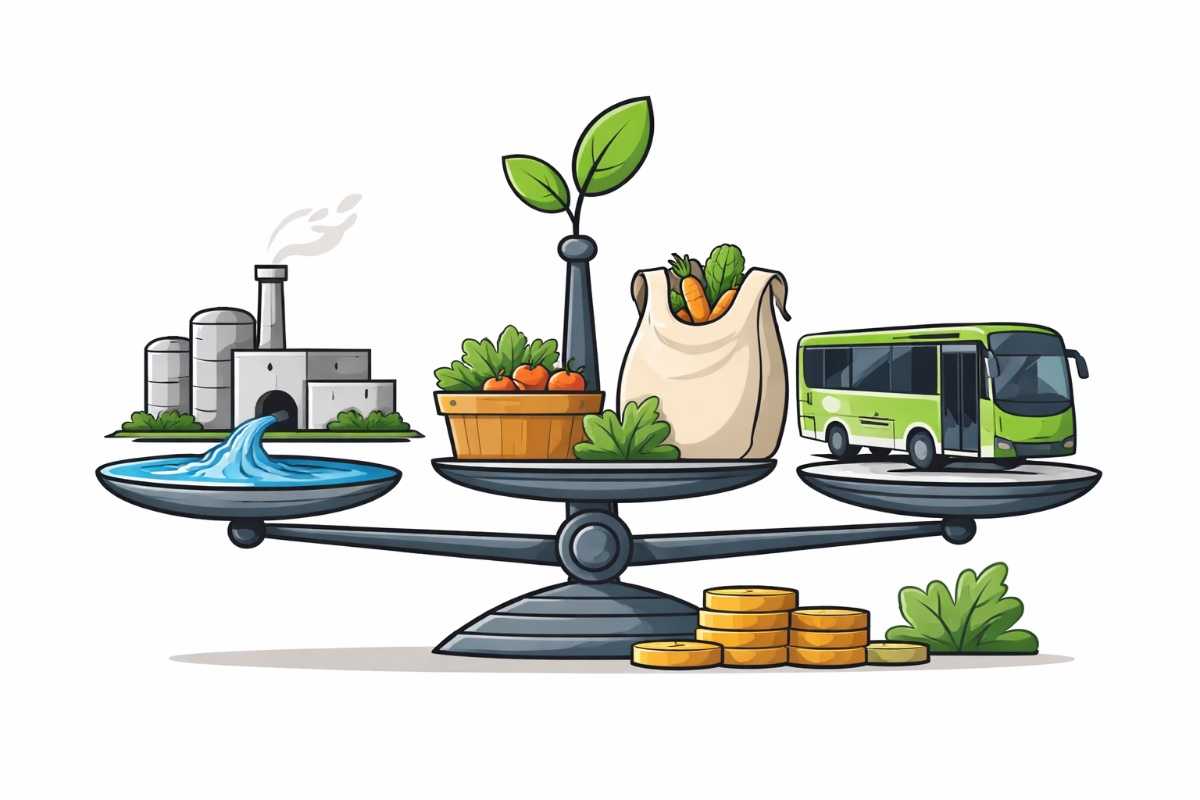
The government has introduced GST rationalisation measures to promote sustainability by lowering taxes on waste management services, biodegradable products, and green transport.
The changes are aimed at making environmentally friendly alternatives more affordable while supporting India’s long-term climate goals.
Key Highlights
- GST on waste treatment services reduced from 12% to 5%
- Biodegradable bags now taxed at 5%, down from 18%
- GST on buses and goods vehicles cut from 28% to 18%
- Measures aim to support clean mobility, waste management, and eco-friendly products
- Focus on reducing costs and encouraging wider adoption
Lower Costs for Waste Management
One of the key changes is the reduction of GST on services provided by Common Effluent Treatment Plants (CETPs) from 12% to 5%.
CETPs are shared facilities that treat industrial wastewater, helping industries comply with environmental standards.
Lower taxes are expected to reduce operational costs for small and medium enterprises (MSMEs), making collective waste treatment more viable.
Official Statement
The government said the reforms are intended to accelerate India’s transition towards sustainable practices by reducing financial barriers.
Officials emphasised that improving affordability will encourage wider adoption of environmentally responsible solutions.
Boost for Biodegradable Alternatives
GST on biodegradable bags has been reduced significantly, bringing their cost closer to conventional plastic products.
This is expected to support the shift away from single-use plastics and encourage manufacturers to scale up production of eco-friendly materials.
Lower prices may also make such alternatives more accessible to consumers and businesses.
Push for Cleaner Transport
The reduction in GST on buses and commercial goods vehicles from 28% to 18% is aimed at modernising India’s transport fleet.
Lower costs could encourage operators to replace older, more polluting vehicles with cleaner models that meet stricter emission standards.
The move is also expected to support public transport expansion and improve logistics efficiency.
Context and Background
India has committed to achieving net zero emissions by 2070 and is promoting sustainability through policy measures across sectors.
GST rationalisation is one of the tools being used to influence market behaviour by making green alternatives more economically attractive.
These reforms align with broader initiatives focused on environmental protection and sustainable development.
Public Impact
For businesses, especially MSMEs, lower taxes may reduce operational costs and encourage compliance with environmental norms.
Consumers may benefit from more affordable eco-friendly products and improved public transport options.
The measures could also contribute to reduced pollution and better resource management over time.
Conclusion
The GST changes reflect a policy shift towards incentivising sustainable choices across industries and daily life.
By lowering costs and encouraging adoption, the government aims to support India’s transition to a cleaner and more environmentally responsible economy.
Source: PIB
Last Updated on: Monday, March 23, 2026 4:55 pm by Monisha Angara | Published by: Monisha Angara on Monday, March 23, 2026 4:55 pm | News Categories: Mumbai
About The Author