
Improved outlook reflects strong domestic demand, though risks from global tensions and energy prices remain
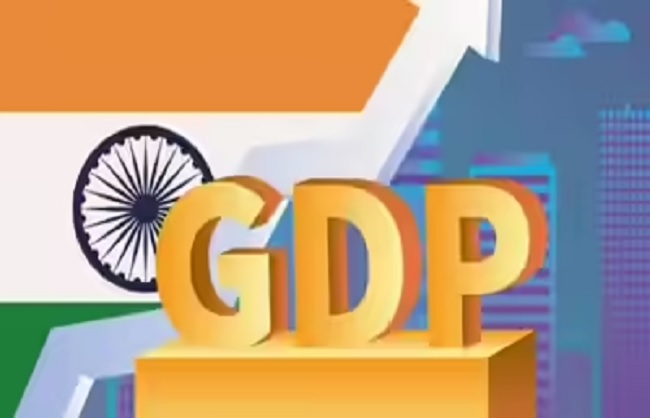
The World Bank has revised India’s economic growth forecast upward to 6.6% for the financial year 2026–27, citing sustained domestic demand and relatively stable export performance. The updated projection, released in its latest South Asia Economic Update, signals continued confidence in India’s economic resilience despite global headwinds.
The revised estimate marks an increase from the earlier projection of 6.3%, positioning India as a key driver of growth in the South Asia region.
Key Highlights of the Forecast
- GDP growth projected at 6.6% for FY 2026–27
- Expected growth of 7.6% in FY 2025–26
- Strong domestic consumption identified as a major growth factor
- Risks linked to global energy prices and geopolitical tensions
The World Bank noted that India is likely to remain one of the fastest-growing major economies, supported by internal demand and ongoing policy measures.
Drivers Behind the Growth Outlook
The report attributes the improved forecast to multiple factors:
- Robust consumer spending across urban and rural markets
- Policy support, including adjustments in Goods and Services Tax (GST)
- Continued investment in infrastructure and manufacturing
- Stable export performance compared to other emerging economies
These elements are expected to support economic momentum in the near term.
Official Assessment
According to the World Bank, India’s growth trajectory remains relatively strong even as the broader South Asia region shows signs of slowing. The institution highlighted that domestic demand continues to act as a buffer against external shocks.
At the same time, it cautioned that rising energy prices and geopolitical developments particularly in West Asia could influence inflation and growth in the coming months.
Comparison with RBI Outlook
The Reserve Bank of India (RBI) has taken a slightly more optimistic stance, projecting GDP growth at 6.9% for FY 2026–27 in its latest monetary policy review.
The difference in projections reflects varying assumptions about global risks, including oil prices and external trade conditions.
Context: India in a Challenging Global Economy
Global growth has been under pressure due to geopolitical tensions, supply chain disruptions, and fluctuating energy markets. In this environment, India’s relatively strong domestic consumption and investment cycle have helped it stand out among emerging economies.
The World Bank’s report highlights that while regional growth may slow, India is expected to continue outperforming its peers.
Public Impact
The upward revision in growth forecast has several implications:
- Positive sentiment for investors and businesses
- Potential boost to job creation and income levels
- Continued government focus on infrastructure and development
- Need for vigilance on inflation and fuel prices
For consumers, strong growth could translate into better economic opportunities, although rising energy costs may affect household expenses.
Conclusion
The World Bank’s revised GDP forecast reinforces India’s position as a resilient economy amid global uncertainty. While domestic demand and policy support remain key strengths, external risks particularly related to energy markets will continue to shape the outlook.
Going forward, maintaining stable growth will depend on balancing economic expansion with inflation control and managing global uncertainties effectively.
Input & Images : Hindusthan Samachar
Add outlooknews.in as preferred source on google – click here
Also read – Gujarat Titans Clinch One-Run Thriller Against Delhi Capitals in IPL 2026
Last Updated on: Thursday, April 9, 2026 5:09 pm by Monisha Angara | Published by: Monisha Angara on Thursday, April 9, 2026 5:09 pm | News Categories: India
About The Author