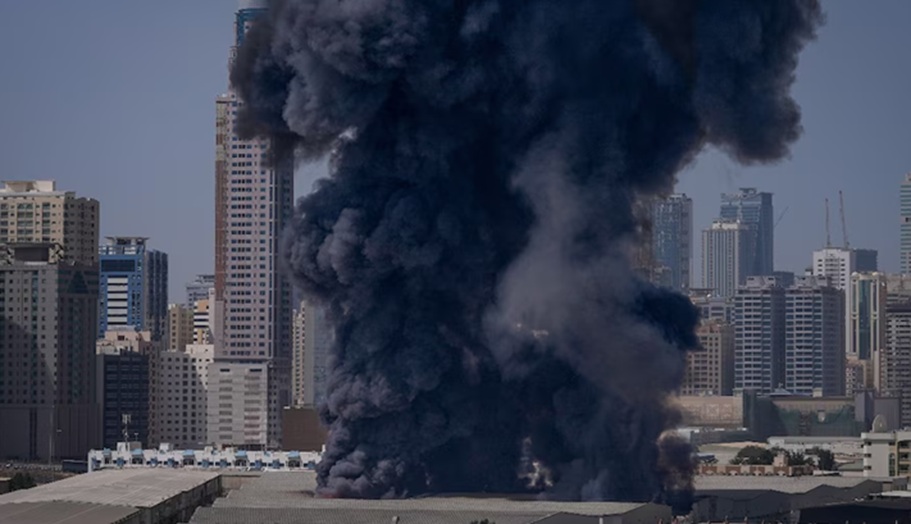

Amid ongoing tensions in West Asia, Donald Trump has indicated that the United States could move toward ending its conflict with Iran within weeks. His remarks come as global markets remain unsettled by the fallout of the US–Israel–Iran confrontation that began in late February.
Key Developments
- US signals possible end to military operations within 2–3 weeks
- Direct talks claimed by US; Iran acknowledges only indirect communication
- Strait of Hormuz disruptions affecting global oil supply
- Shipping and energy markets remain volatile
Trump Signals Push for De-escalation
Speaking to media outlets, Trump said efforts are underway to bring hostilities to a close, suggesting that military operations could end within two to three weeks. He also indicated that a resolution might be reached without a formal agreement.
The US President emphasised his priority was to exit the conflict quickly, highlighting concerns over prolonged instability and its economic consequences.
However, Iranian authorities have not confirmed any direct negotiations. Officials in Tehran have stated that while communication channels exist, they are being conducted indirectly through mediators rather than through formal talks.
Strait of Hormuz Disruptions Raise Concerns
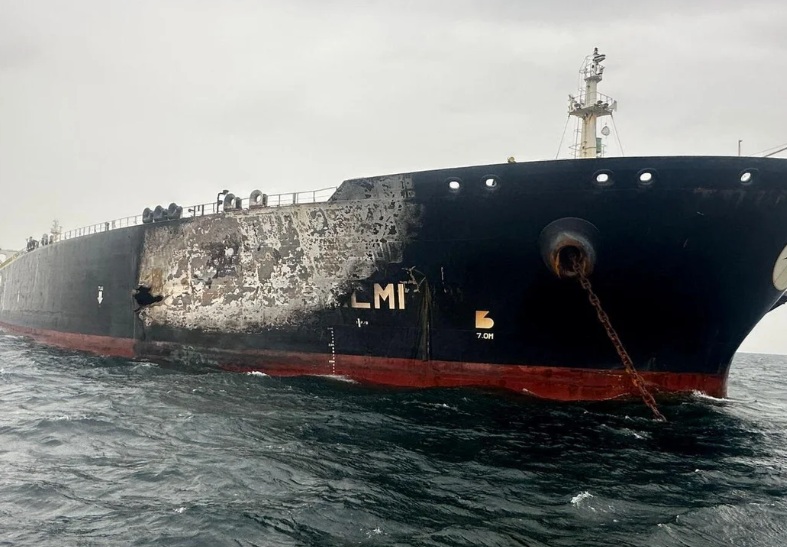
The conflict has significantly affected shipping through the Strait of Hormuz, one of the world’s most critical oil transit corridors.
Reports indicate that tanker movement in the region has slowed sharply, raising concerns about global energy supply disruptions. The situation has contributed to volatility in oil and gas markets, with ripple effects on fuel prices worldwide.
Trump also suggested that countries dependent on Middle Eastern oil should take responsibility for securing their own supply routes. This marks a shift from earlier US positions that included naval escort support for commercial vessels.
Official Position and Statements
In his remarks, Trump expressed optimism about ending the conflict, stating that the US is actively working toward a resolution. He added that the situation could stabilise soon if diplomatic efforts succeed.
At the same time, his comments on energy security particularly urging countries to “secure their own oil” highlight a broader recalibration of US involvement in safeguarding global shipping routes.
Context and Background
The current conflict involving the United States, Israel, and Iran began on February 28 and has since escalated into a wider regional crisis. It has drawn attention to the vulnerability of critical infrastructure and trade routes in West Asia.
Historically, the Strait of Hormuz has been a strategic chokepoint for global oil supply, with nearly a fifth of the world’s petroleum passing through it. Any disruption in this region tends to have immediate global economic implications.
Public and Global Impact
For global consumers, the conflict has already translated into rising fuel costs and market uncertainty. Countries heavily reliant on imported energy are particularly exposed to supply disruptions.
For India and other major energy importers, developments in the region are closely monitored, as any prolonged instability could affect domestic fuel prices and inflation.
Conclusion
While signals from Washington suggest a potential easing of tensions, the absence of confirmed direct negotiations with Iran keeps the situation uncertain.
The coming weeks will be critical in determining whether diplomatic efforts can bring the conflict to a close or if volatility in the region and global markets will persist.
Input & Images : Hindusthan Samachar
Add outlooknews.in as preferred source on google – click here
Also read – YouTube background play comes to Android Auto: What car users can (and can’t) do yet
Last Updated on: Wednesday, April 1, 2026 11:18 am by Monisha Angara | Published by: Monisha Angara on Wednesday, April 1, 2026 10:02 am | News Categories: News
About The Author