

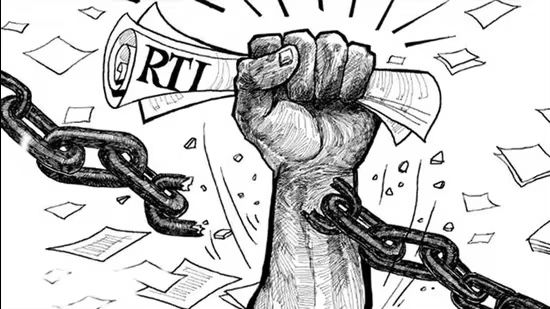
The government has said that the rejection rate of applications under the Right to Information (RTI) Act has declined significantly over the past decade, indicating improvements in transparency and access to information.
In a written reply in the Rajya Sabha, Union Minister Jitendra Singh shared data and measures related to the functioning of the RTI system.
Key Highlights
- RTI rejection rate reduced from 7.21% in 2013–14 to 3.26% in 2024–25
- Applicants can appeal to higher authorities if dissatisfied with responses
- Central Information Commission publishes annual RTI performance reports
- Transparency audits being conducted across public authorities
- Ongoing review of RTI framework to improve effectiveness
Decline in Rejection Rate
According to the government, the proportion of RTI applications rejected by central public authorities has dropped over the years.
The rejection rate stood at 3.26% in 2024–25, compared to 7.21% in 2013–14, suggesting improved compliance and information sharing.
Official Statement
The minister said that evaluating the effectiveness of the RTI framework is an ongoing process.
He added that steps such as transparency audits and monitoring by oversight bodies are being used to strengthen the system.
Appeal and Complaint Mechanisms
Applicants who do not receive a response within the stipulated time, or are dissatisfied with the reply, can file an appeal with the First Appellate Authority.
If concerns persist, a second appeal can be made to the Central Information Commission.
In cases involving incomplete or misleading information, applicants can directly approach the commission or relevant state bodies with complaints.
Monitoring and Transparency Measures
The Central Information Commission regularly publishes annual reports detailing RTI applications received, disposed of, and rejected, along with reasons for rejection.
The government has also issued guidelines for third-party transparency audits of public authorities to assess proactive disclosure practices.
These audits are monitored by the commission to ensure compliance.
Context and Background
The Right to Information Act, enacted in 2005, gives citizens the legal right to seek information from public authorities.
It is widely regarded as a key tool for promoting transparency, accountability, and citizen participation in governance.
Public Impact
A lower rejection rate may indicate better access to information for citizens and improved responsiveness from government departments.
The availability of appeal mechanisms also ensures that applicants have recourse in case of dissatisfaction.
Conclusion
The government’s latest update suggests gradual improvements in the RTI system, supported by monitoring and audit mechanisms.
As reviews continue, the focus remains on strengthening transparency and ensuring that citizens can effectively exercise their right to information.
Source: PIB
Last Updated on: Monday, March 23, 2026 5:01 pm by Monisha Angara | Published by: Monisha Angara on Monday, March 23, 2026 5:01 pm | News Categories: Kolkata
About The Author