
Why Rising Inflation Is a Major Concern for Indian Families
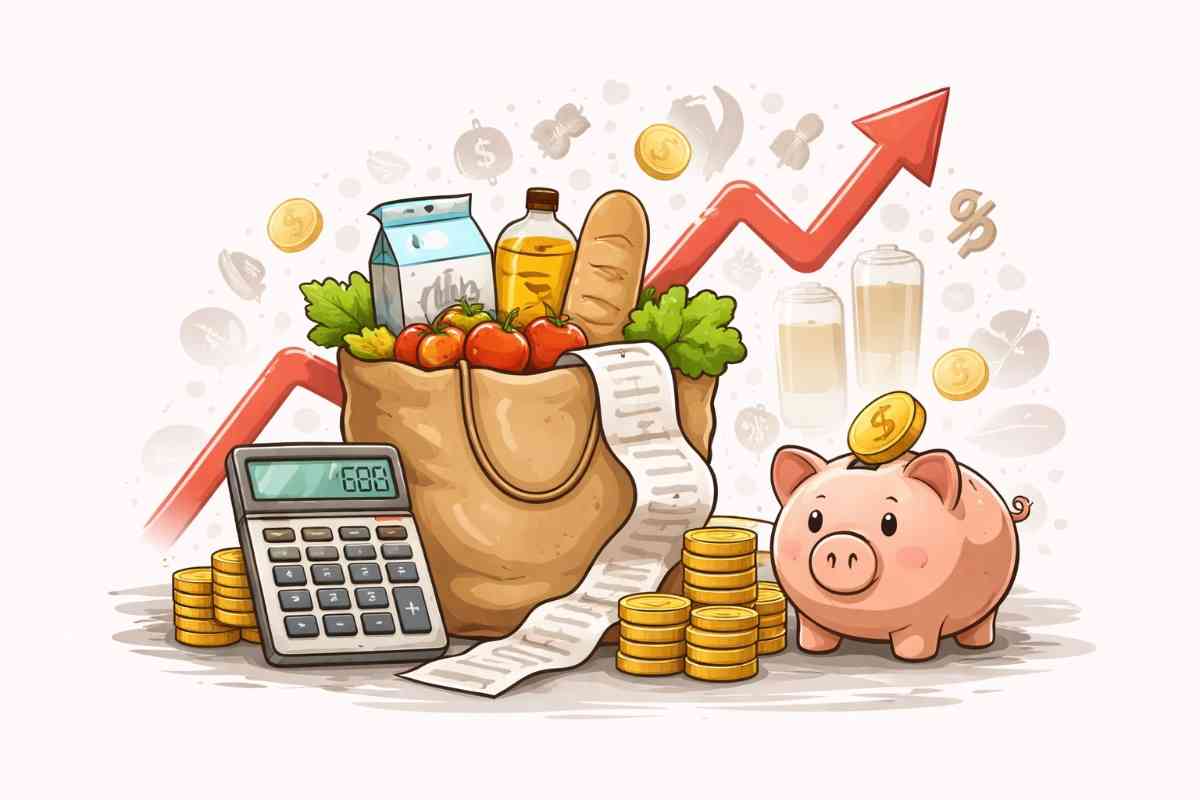
Inflation has once again become a key topic in India’s economic discussion. As prices of food, fuel and daily essentials rise, families across cities and towns are feeling the pressure.
For many households, the question is simple: How long can monthly budgets absorb higher costs?
Rising inflation in India affects not just grocery bills but also savings, investments and spending patterns. From middle-class families to daily wage earners, the impact is widespread.
Here is a clear and detailed look at how inflation is affecting household budgets and consumer spending in India.
What Is Inflation and Why It Matters
Inflation refers to the increase in prices of goods and services over time.
When inflation rises:
- Food becomes more expensive
- Transport costs increase
- Utility bills go up
- Education and healthcare costs rise
If income does not increase at the same pace, purchasing power reduces.
In simple terms, people can buy less with the same amount of money.
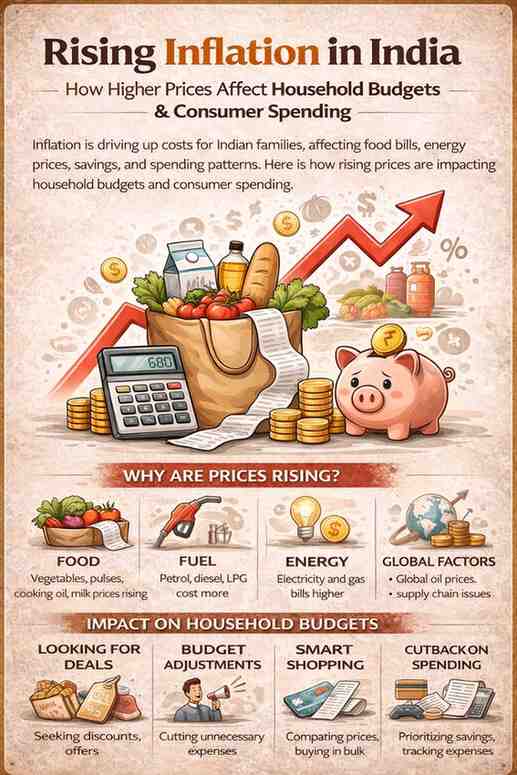
What Is Driving Inflation in India?
Several factors influence inflation levels.
1. Food Price Increase
Food inflation often has the biggest impact on Indian households.
Price rises in:
- Vegetables
- Pulses
- Cooking oil
- Milk
- Fruits
can quickly raise monthly expenses.
Weather conditions, supply chain disruptions and global commodity trends affect food prices.
2. Fuel and Energy Costs
Petrol and diesel prices influence transport costs.
When fuel prices increase:
- Transportation of goods becomes costlier
- Delivery charges rise
- Electricity generation costs may increase
This has a ripple effect across sectors.
3. Global Economic Factors
Global oil prices, geopolitical tensions and currency fluctuations also affect domestic prices.
India imports crude oil, so global price changes impact fuel rates.
4. Supply Chain Issues
Logistics delays and production shortages can temporarily push prices higher.
Inflation is often a mix of domestic and global factors.
How Inflation Impacts Household Budgets
1. Higher Grocery Bills
Food is a major component of household spending.
Even small price increases across multiple items can raise monthly grocery bills significantly.
Families may shift from premium brands to more affordable options.
2. Reduced Savings
When expenses increase, savings often decline.
Middle-income households may:
- Reduce monthly investments
- Delay large purchases
- Cut discretionary spending
Lower savings can affect long-term financial goals.
3. Increased EMI Burden
If inflation remains high, interest rates may also rise.
Higher interest rates can increase:
- Home loan EMIs
- Car loan repayments
- Personal loan costs
This adds pressure on monthly budgets.
4. Change in Spending Priorities
Consumers may prioritise:
- Essentials over luxury items
- Necessary repairs over upgrades
- Budget-friendly services
Spending on travel, entertainment and dining out may reduce.
Impact on Urban vs Rural Households
Urban Households
City residents face higher expenses in:
- Rent
- Transportation
- Education
- Healthcare
Inflation in services has a strong impact in urban areas.
Rural Households
In rural areas, food prices play a bigger role.
Agricultural income and local crop conditions also affect spending capacity.
Rural demand often slows when inflation rises sharply.
Effect on Consumer Spending Patterns
Rising inflation changes how people spend.
Shift Toward Essentials
Consumers focus more on:
- Groceries
- Utilities
- Healthcare
Non-essential categories may see slower growth.
Preference for Discounts and Offers
Shoppers look for:
- Discount sales
- Cashback offers
- Value packs
Retailers respond with promotions to maintain sales.
Growth of Private Labels
Supermarkets often see higher sales of private-label products as customers seek affordable alternatives.
Impact on Small Businesses
Small businesses also face challenges during inflation.
They may experience:
- Higher input costs
- Increased rent
- Rising employee wages
Passing these costs to customers can be difficult.
Profit margins may shrink if businesses absorb price increases.
How Inflation Affects Investments
Inflation influences investment decisions.
Fixed Deposits
If inflation is higher than interest earned on fixed deposits, real returns decline.
Stock Market
Equity markets may react to inflation data, especially if it influences interest rate decisions.
Gold and Commodities
Some investors turn to gold during high inflation periods as a hedge.
Government and RBI Response
The Reserve Bank of India (RBI) monitors inflation closely.
If inflation rises above target levels, the RBI may:
- Increase policy interest rates
- Adjust liquidity measures
The government may also:
- Reduce taxes on fuel
- Release buffer food stocks
- Introduce subsidy measures
Policy steps aim to control price stability without slowing economic growth too much.
How Families Can Manage Rising Inflation
While macroeconomic factors are beyond individual control, households can take practical steps.
1. Budget Planning
Track monthly expenses carefully.
Identify areas where spending can be optimised.
2. Prioritise Savings
Maintain an emergency fund to manage unexpected expenses.
3. Compare Prices
Check prices across stores and online platforms.
Use digital tools to find better deals.
4. Avoid High-Interest Debt
Limit unnecessary borrowing during periods of high interest rates.
Long-Term Economic Impact
Sustained high inflation can:
- Reduce consumer confidence
- Slow demand
- Affect economic growth
However, moderate inflation is considered normal in a growing economy.
The key concern is when inflation remains high for extended periods.
What to Watch in the Coming Months
Key indicators to monitor include:
- Monthly inflation data
- Food price trends
- Fuel price movements
- RBI policy decisions
If inflation stabilises, consumer spending may recover.
If it remains elevated, households may continue to adjust budgets.
Final Word
Rising inflation in India is affecting household budgets and consumer spending across income groups.
Higher food and fuel prices are putting pressure on monthly expenses. Savings may shrink, and discretionary spending may slow.
For policymakers, maintaining price stability is crucial for economic confidence.
For families, careful budgeting and financial planning become more important during inflationary periods.
As India navigates changing economic conditions, the balance between growth and price control will remain a key focus.
Disclaimer: The information presented in this article is intended for general informational purposes only. While every effort is made to ensure accuracy, completeness, and timeliness, data such as prices, market figures, government notifications, weather updates, holiday announcements, and public advisories are subject to change and may vary based on location and official revisions. Readers are strongly encouraged to verify details from relevant official sources before making financial, investment, career, travel, or personal decisions. This publication does not provide financial, investment, legal, or professional advice and shall not be held liable for any losses, damages, or actions taken in reliance on the information provided.
Last Updated on: Friday, February 13, 2026 4:10 pm by Outlook News Team | Published by: Outlook News Team on Friday, February 13, 2026 4:10 pm | News Categories: Business
About The Author