

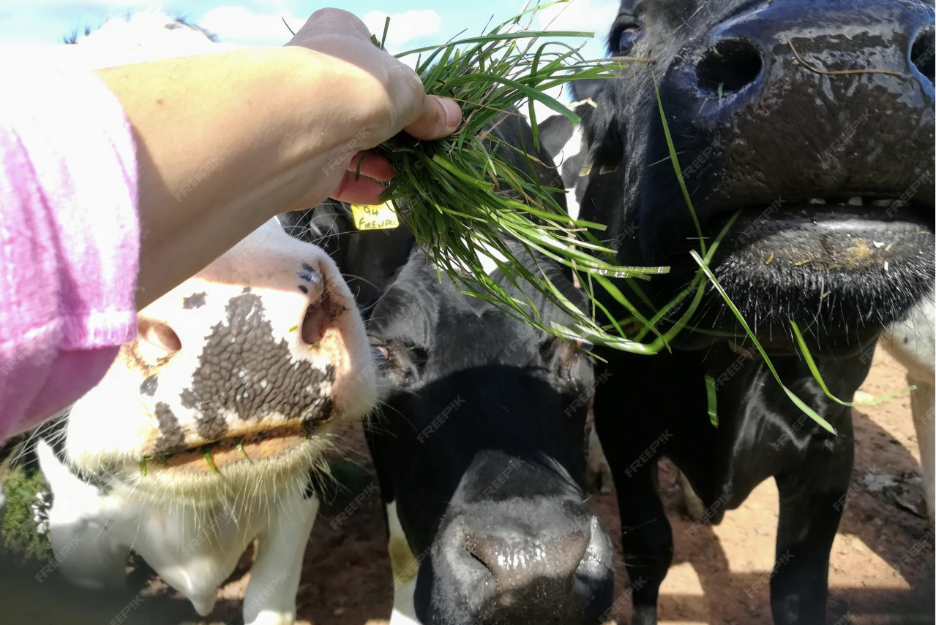
With growing awareness around climate change and sustainable food practices, the dairy industry is under increasing scrutiny for its environmental impact. Arna Dairy, Bengaluru’s oldest family-run dairy, is taking proactive steps to reduce its carbon footprint, demonstrating that high-quality milk and sustainability can go hand-in-hand.
Sustainability From Farm to Fridge
Arna Dairy works closely with over 17,000 farmers across Karnataka, focusing on eco-friendly farming practices that minimize environmental impact while maintaining milk quality. Key initiatives include:
- Optimized Feed and Nutrition: Arna advises farmers on feed that improves cattle health and reduces methane emissions, a significant contributor to greenhouse gases in dairy farming.
- Waste Management: Cow dung and other farm waste are converted into bio-fertilizers and biogas, reducing reliance on fossil fuels and chemical fertilizers.
- Water Conservation: Rainwater harvesting and efficient water use in farms and processing plants minimize water wastage, essential in Karnataka’s dairy belts.
“Sustainability is a long-term commitment. By supporting farmers to adopt low-emission, eco-friendly practices, we ensure our milk is both nutritious and responsibly produced,” says Dheeraj Keshav, Director, Arna Dairy.
Energy-Efficient Processing and Cold Chain
At its processing plants, Arna Dairy implements energy-saving technologies and optimized refrigeration systems to reduce electricity consumption:
- Solar-powered equipment and energy-efficient chillers lower greenhouse gas emissions.
- Optimized milk transport with insulated vehicles ensures minimal energy usage while keeping milk fresh from farm to consumer.
- Continuous monitoring of processing efficiency reduces waste, water, and electricity usage.
These measures demonstrate that operational efficiency can be aligned with environmental responsibility without compromising quality.
Packaging and Waste Reduction
Arna Dairy is also innovating in packaging to reduce plastic waste:
- Use of recyclable and minimal plastic packaging
- Promotion of returnable glass bottles and reusable containers in select markets
- Awareness campaigns for proper disposal and recycling among consumers
“Sustainability is not just a farm-level responsibility; it extends to how our products reach consumers and how packaging can minimize environmental impact,” adds Dheeraj Keshav.
Impact and Future Goals
By combining eco-friendly farming, energy-efficient operations, and responsible packaging, Arna Dairy is reducing its carbon footprint while delivering high-quality milk to thousands of households.
Key impact highlights:
- Reduction in methane emissions through optimized feed and cattle care
- Significant energy savings in cold chain operations
- Reduction in water and chemical use across farms
- Consumer education on sustainability and responsible dairy consumption
Looking ahead, Arna Dairy aims to achieve carbon-neutral operations across all plants by 2030, while continuing to empower farmers with sustainable practices and provide wholesome, safe milk for families.
Why This Matters
Consumers today care not just about taste and nutrition, but also how their food is produced. By reducing its carbon footprint, Arna Dairy demonstrates that ethical, sustainable dairy practices are possible at scale, benefiting both the planet and the people who consume its products.
About Arna Dairy
Established in 1940 as Pankaj Dairy, Arna Dairy Farm Private Limited is Bangalore’s oldest family-run dairy, proudly rooted in Karnataka. With over 85 years of heritage, Arna stands for purity, ethics, and community care. Supplying fresh dairy products to thousands of households and premium hospitality brands, Arna Dairy works with 17,000 farmers across Hassan, Chikmagaluru, and Shivamogga to deliver high-quality milk with a promise of trust and transparency.
Last Updated on: Monday, February 16, 2026 2:21 pm by Outlook News Team | Published by: Outlook News Team on Monday, February 16, 2026 2:20 pm | News Categories: Brand Post
About The Author