

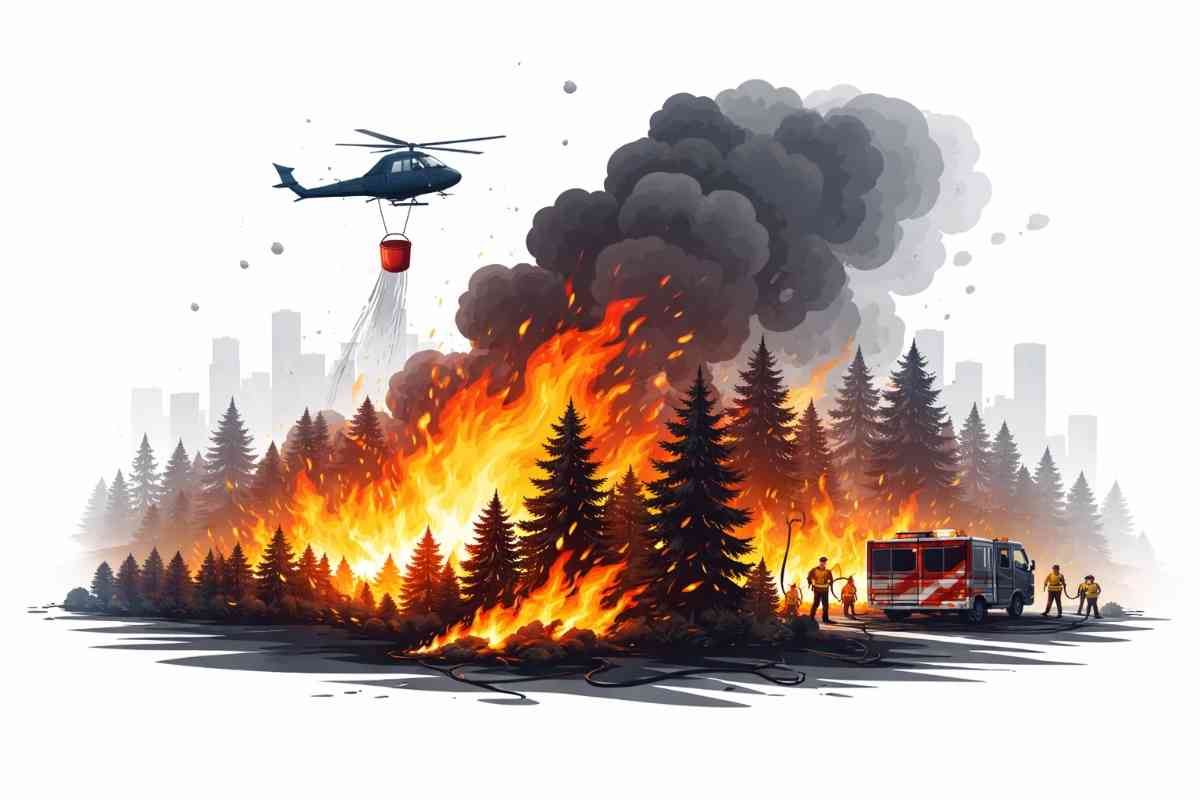
A major wildfire in Phoenix, Arizona, has once again drawn global attention to rising fire risks linked to extreme heat and dry conditions. As images of flames and smoke spread across international media, safety alerts and air quality warnings followed.
While the fire is located thousands of kilometres away, such incidents matter for India. Wildfires in the United States often trigger global discussions on climate risk, emergency response systems, air pollution, and disaster preparedness. They also affect international travel, supply chains, and environmental policy conversations.
For Indian readers, understanding the wider impact of the Arizona blaze is important, especially as India also faces increasing heatwaves and forest fire incidents.
What Happened in Phoenix, Arizona
Phoenix, the capital of the US state of Arizona, regularly records extreme summer temperatures. During peak heat periods, dry vegetation and strong winds increase wildfire risks.
In recent weeks, wildfire activity in and around the Phoenix region led to emergency responses, evacuation alerts in affected zones, and air quality advisories. Local authorities and fire departments worked to contain the blaze and prevent its spread to residential areas.
Wildfires in Arizona are often managed through coordinated efforts between state agencies and federal authorities such as the U.S. Forest Service and local emergency services.
Air quality warnings were issued as smoke spread across nearby regions.
Why Wildfires in the US Are a Global Concern
Wildfires in the western United States have grown more frequent and intense over the past decade. Climate experts link this trend to:
- Rising global temperatures
- Prolonged drought
- Heatwaves
- Dry vegetation
Large wildfires can release massive amounts of carbon dioxide into the atmosphere. This contributes to global climate change, which affects countries worldwide, including India.
Smoke from large wildfires can travel long distances. Though Arizona’s smoke mainly affects nearby US states, the broader climate implications are global.
Air Quality and Health Warnings
One of the immediate impacts of any major wildfire is poor air quality.
Authorities in Arizona issue Air Quality Index (AQI) alerts when smoke levels rise. Sensitive groups such as children, elderly people, and those with respiratory conditions are advised to stay indoors.
Poor air quality due to wildfires is not limited to the United States. India has also faced rising pollution levels due to crop burning, urban emissions, and forest fires.
The Phoenix blaze serves as a reminder of how environmental crises can quickly turn into public health challenges.
Travel and Aviation Impact
Wildfires can disrupt air travel.
Smoke clouds may reduce visibility, and airports may face temporary operational changes. Travellers flying to or from Arizona may experience delays.
Indian travellers, students, and professionals living in the US should monitor local advisories.
The National Weather Service and local authorities provide regular updates during such emergencies.
Airlines often adjust routes if visibility or safety becomes a concern.
Impact on Indian Diaspora in the US
The United States hosts a large Indian community. Cities across Arizona, including Phoenix, have Indian professionals working in technology, healthcare, and education.
During wildfire alerts, residents are advised to:
- Follow evacuation instructions
- Monitor official safety updates
- Avoid outdoor activities
- Use air purifiers if available
The Indian Consulate in relevant regions typically shares safety advisories when required.
While there are no reports suggesting large-scale impact on the Indian community from this specific blaze, safety remains a top priority during wildfire seasons.

Climate Change: A Shared Risk
Wildfires in Arizona highlight a broader issue: climate volatility.
India has also seen a rise in forest fires in states such as Uttarakhand and Himachal Pradesh. Rising temperatures and changing rainfall patterns increase fire risks in dry seasons.
Climate scientists warn that global warming makes extreme events more frequent.
Wildfires in one country serve as a warning for others.
India’s disaster management systems may draw lessons from global fire response strategies.
Emergency Response and Technology
The United States uses satellite monitoring, drones, and predictive models to track wildfire spread.
Agencies rely on real-time weather data and fire behaviour analysis to deploy resources effectively.
India has also strengthened its disaster response systems through the National Disaster Management Authority.
Advanced warning systems and forest monitoring tools are becoming more important as climate risks increase.
Learning from global fire management techniques could help India improve its own systems.
Economic Impact of Wildfires
Wildfires can cause economic losses through:
- Property damage
- Infrastructure destruction
- Tourism decline
- Insurance claims
Arizona’s economy includes tourism and technology sectors. Large fires can temporarily impact business operations.
Though the Phoenix blaze is localised, major US wildfires sometimes affect supply chains. Global markets monitor such events carefully.
India’s technology and outsourcing sectors have strong links with US businesses. Any prolonged disruption in major US cities can have indirect global economic effects.
Environmental Impact
Wildfires damage forests and wildlife habitats.
They also affect soil quality and water systems. Recovery can take years.
Environmental experts warn that repeated fires reduce forest resilience.
India faces similar risks in its Himalayan and central forest regions.
Forest conservation and climate adaptation remain global priorities.
Global Safety Alerts and Preparedness
Wildfire seasons in the United States usually occur during summer months.
Authorities issue safety alerts based on:
- Heat levels
- Wind speed
- Vegetation dryness
Global travel advisories sometimes reflect environmental risks.
Indian travellers heading to the US during wildfire season should:
- Check local safety updates
- Monitor air quality
- Keep emergency contacts ready
Embassy websites and official government portals provide updated advisories.
Lessons for India
The Phoenix wildfire offers several lessons for India:
1. Strengthening Early Warning Systems
Technology-based alerts can help prevent large-scale damage.
2. Public Awareness Campaigns
Citizens must understand fire risks and safety steps.
3. Climate Action
Reducing emissions and improving forest management can reduce long-term risk.
4. Urban Planning
Cities near forest zones need clear evacuation plans.
India’s climate vulnerability makes preparation essential.
Media Coverage and Public Response
Images of wildfires often circulate widely on social media.
However, experts caution against sharing unverified videos or rumours.
Accurate information should always come from official sources such as local fire departments or recognised weather agencies.
Responsible media coverage helps avoid panic.
Conclusion: A Global Warning from the Arizona Blaze
The Phoenix fire is a reminder that climate-related disasters are increasing worldwide.
While the immediate impact is local to Arizona, the broader implications are global.
For India, the key takeaways include:
- Climate change risks are rising
- Wildfire management needs constant improvement
- Public safety systems must stay updated
- Environmental awareness is critical
As extreme weather events become more frequent, global cooperation and preparedness will shape the response.
The Arizona blaze may be thousands of kilometres away, but its message is clear: climate resilience and disaster readiness are no longer optional.
Disclaimer: The information presented in this article is intended for general informational purposes only. While every effort is made to ensure accuracy, completeness, and timeliness, data such as prices, market figures, government notifications, weather updates, holiday announcements, and public advisories are subject to change and may vary based on location and official revisions. Readers are strongly encouraged to verify details from relevant official sources before making financial, investment, career, travel, or personal decisions. This publication does not provide financial, investment, legal, or professional advice and shall not be held liable for any losses, damages, or actions taken in reliance on the information provided.
Last Updated on: Tuesday, February 24, 2026 11:17 am by Outlook News Team | Published by: Outlook News Team on Tuesday, February 24, 2026 11:17 am | News Categories: News
About The Author