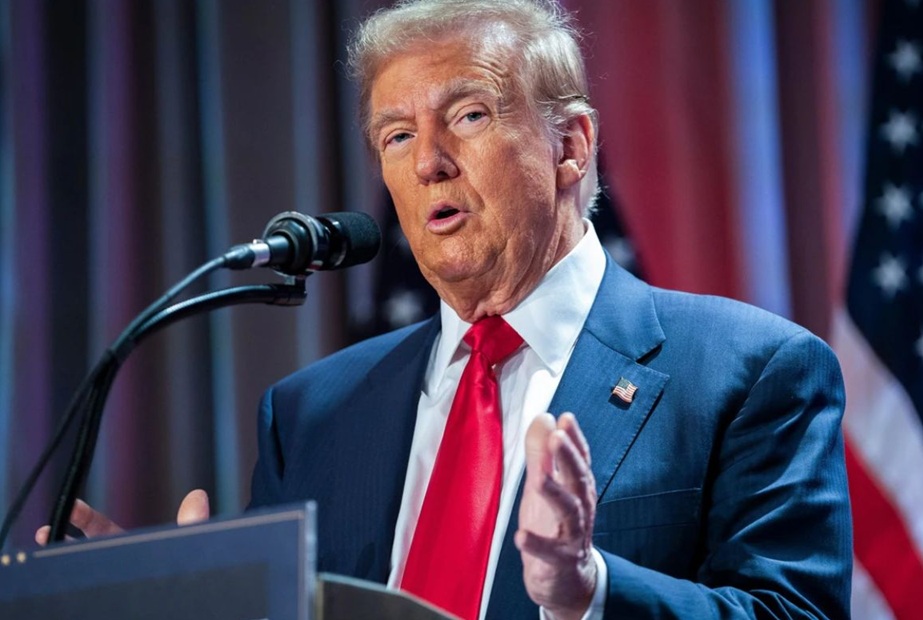

Tensions in West Asia have escalated further after Iran rejected a warning from Donald Trump to reopen the strategically vital Strait of Hormuz. Iranian officials confirmed the waterway remains closed, deepening uncertainty in an already volatile regional conflict.
Key Developments
Iranian authorities dismissed the US ultimatum, which reportedly set a deadline for reopening the Strait of Hormuz, a crucial maritime corridor for global oil shipments.
Officials in Tehran maintained that the country would not yield to external pressure. They reiterated that the strait remains under their control and warned that any escalation could trigger a broader confrontation.
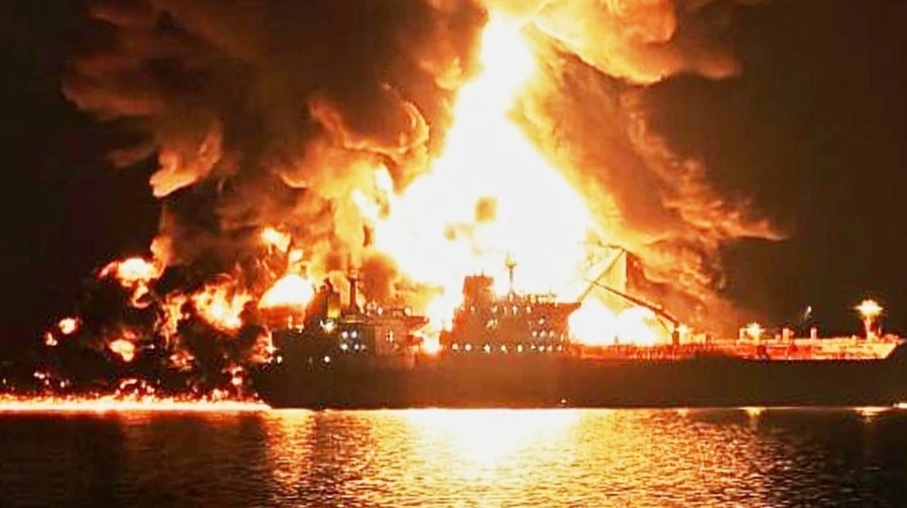
The development comes amid ongoing military tensions involving the United States and its allies in the region, with reports of strikes on infrastructure adding to instability.
Official Statement
Iran’s Foreign Ministry spokesperson Ismail Baghaei stated that threats from Washington would not influence Tehran’s decisions. He emphasized that Iran possesses the capability to defend itself and would respond proportionately to any attacks, particularly those targeting civilian infrastructure.
US President Donald Trump had earlier warned of severe consequences, including potential strikes on critical Iranian facilities, if the situation was not resolved within a specified timeframe.
Context / Background
The Strait of Hormuz is one of the world’s most important energy transit routes, with a significant portion of global oil supply passing through it daily. Any disruption in this corridor can have immediate ripple effects on international energy markets and shipping.
The current standoff is part of a broader escalation involving the United States, Israel, and Iran, with hostilities intensifying in recent weeks. Previous incidents have included reported strikes on energy and industrial sites across the region.
Public Impact
A prolonged closure of the Strait of Hormuz could lead to rising global oil prices, affecting fuel costs, inflation, and supply chains worldwide. Countries heavily dependent on Middle Eastern oil exports may face immediate economic pressure.
The situation also raises safety concerns for international shipping and expatriate workers in the Gulf region, including Indian nationals.
Conclusion
With both sides maintaining firm positions, prospects for immediate de-escalation remain uncertain. Diplomatic efforts and international mediation will likely play a critical role in determining whether tensions ease or escalate further in the coming days.
Input & Images : Hindusthan Samachar
Add outlooknews.in as preferred source on google – click here
Also read – Headline:RCB Defeat CSK by 43 Runs in IPL 2026 After Posting Season’s Highest Total
Last Updated on: Monday, April 6, 2026 11:32 am by Monisha Angara | Published by: Monisha Angara on Monday, April 6, 2026 11:32 am | News Categories: News
About The Author