

India’s electric vehicle (EV) market is gaining pace. From two-wheelers to premium SUVs, demand for electric mobility is rising across segments. Recent monthly sales data and fresh model announcements show that EV adoption is moving beyond early adopters.
The shift matters for Indian consumers, auto companies, and policymakers. Rising fuel prices, government incentives, and growing charging infrastructure are pushing buyers to consider electric options.
As India aims to reduce emissions and cut oil imports, the EV market is becoming a key part of the country’s mobility future.
India’s EV Sales: A Growing Share of the Auto Market
Electric vehicle sales in India have grown steadily over the past few years. According to data from the government’s Vahan portal, electric two-wheelers and three-wheelers lead overall EV volumes.
Passenger electric cars are also showing consistent growth.
While EVs still account for a small share of total car sales, the growth rate remains strong compared to internal combustion engine vehicles.
Key trends include:
- Strong demand for electric scooters in urban areas
- Increasing fleet adoption of electric three-wheelers
- Rising interest in electric SUVs
- Growing acceptance among first-time car buyers
The growth is supported by central incentives under the FAME scheme and state-level subsidies.
Electric Two-Wheelers Lead the Charge
Electric scooters remain the largest EV category in India.
Companies such as Ola Electric, Ather Energy, and TVS Motor Company continue to expand their offerings.
Electric two-wheelers appeal to:
- Urban commuters
- Delivery partners
- Cost-conscious riders
Lower running costs and simple charging options make them attractive.
However, the segment has also faced challenges related to battery safety and subsidy adjustments.
Manufacturers are focusing on improving range, battery reliability, and after-sales service.
Electric Cars: SUV Demand Driving Growth
In the passenger vehicle segment, electric SUVs are gaining attention.
Tata Motors has maintained a strong presence in India’s electric car market. Models like the Nexon EV and Tiago EV have contributed significantly to overall sales.
Other players such as Mahindra & Mahindra and MG Motor India have also introduced electric SUVs targeting urban buyers.
Premium brands including Hyundai Motor India and BMW India offer electric models for higher-end customers.
Electric SUVs are popular because they combine:
- Higher ground clearance
- Strong battery range
- Family-friendly space
- Modern technology features
Consumers are increasingly comparing EVs not just on price, but on features and long-term savings.

Upcoming EV Launches in India
Several new electric vehicles are expected to enter the Indian market in the coming months.
Manufacturers have announced plans for:
- Affordable compact EVs
- New electric SUVs
- Updated battery platforms
- Improved charging speeds
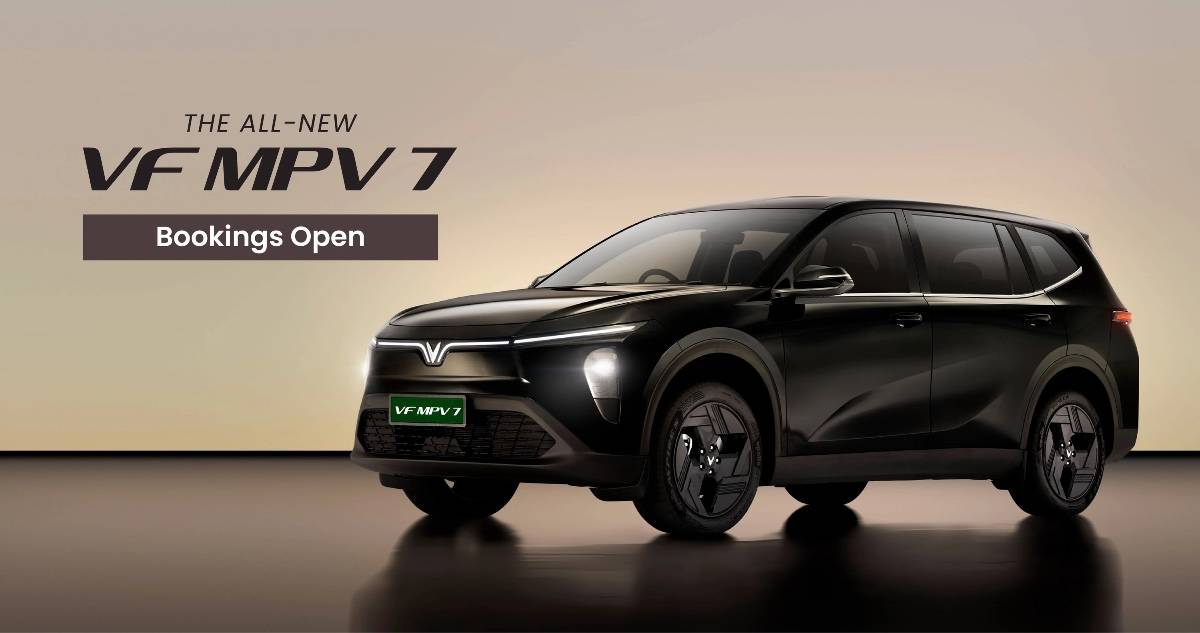
Mahindra has unveiled its upcoming Born Electric SUV range under its INGLO platform. Tata Motors continues to expand its EV portfolio with future models based on dedicated electric architecture.
Global automakers are also evaluating India as a growth market for EVs.
Launch timelines depend on production readiness and supply chain stability.
Charging Infrastructure Expansion
Charging infrastructure remains one of the biggest concerns for EV buyers.
India has seen growth in public charging stations across metro cities and highways. Oil marketing companies and private firms are investing in charging networks.
Home charging remains the primary option for most car owners.
The government has encouraged public charging expansion under various policy initiatives.
However, infrastructure gaps still exist in smaller towns and rural areas.
Faster charging and improved battery technology are likely to shape future demand.
Government Policy Support
India’s EV growth is supported by policy measures.
The Faster Adoption and Manufacturing of Electric Vehicles (FAME) scheme provides incentives for certain EV categories.
State governments such as Delhi, Maharashtra, and Tamil Nadu have introduced their own EV policies.
Key focus areas include:
- Purchase subsidies
- Road tax exemptions
- Charging infrastructure support
- Local manufacturing promotion
India is also promoting battery manufacturing under its Production Linked Incentive (PLI) schemes.
Policy clarity remains important for sustained investor confidence.
Cost Factor: Are EVs Becoming Affordable?
Affordability remains a key factor for Indian buyers.
Electric two-wheelers are now available at competitive prices compared to petrol models, especially after accounting for fuel savings.
Electric cars still carry higher upfront costs than conventional cars. However, lower running and maintenance costs make them attractive over time.
Battery prices have shown global volatility due to raw material supply challenges.
Local battery production could help reduce costs in the long run.
Consumers are increasingly calculating total cost of ownership rather than just showroom price.
Fleet and Commercial Adoption Rising
Electric three-wheelers and commercial vehicles are growing quickly.
Fleet operators prefer EVs for:
- Lower fuel expenses
- Predictable maintenance
- Environmental benefits
Delivery companies and ride-hailing platforms are also integrating electric vehicles into their fleets.
This commercial adoption is driving volume growth.
Three-wheelers remain one of the fastest-growing EV categories in India.
Consumer Concerns: Range and Battery Life
Range anxiety remains a major topic among buyers.
Most modern electric cars in India offer real-world ranges suitable for city driving.
However, highway travel planning still requires access to charging stations.
Battery life and resale value are also concerns for some customers.
Manufacturers now offer longer battery warranties to build trust.
Clear communication about charging cycles and maintenance is helping reduce hesitation.
Global Influence on Indian EV Market
Global EV trends influence India’s market.
China remains the largest EV market globally. Europe and the United States are also pushing electric mobility through strong policy support.
Global battery supply chains and semiconductor availability impact production timelines in India.
International partnerships and technology transfers are shaping the Indian EV ecosystem.
India aims to become a major EV manufacturing hub in the coming decade.
What to Expect in the Next Year
Industry experts expect:
- More affordable EV launches
- Expanded charging networks
- Improved battery technology
- Greater rural awareness
Competition among manufacturers is likely to intensify.
Price wars or feature upgrades may benefit consumers.
At the same time, companies must balance growth with profitability.
Conclusion: EV Market Momentum Is Building
India’s electric vehicle market is moving from early growth to mainstream adoption.
Electric two-wheelers lead volumes, while electric SUVs are shaping the passenger car segment.
Upcoming launches, infrastructure expansion, and policy support are expected to maintain momentum.
However, long-term success will depend on affordability, battery reliability, and charging convenience.
For Indian buyers, the EV market now offers more choices than ever before.
The coming year will show whether electric mobility can move from a rising trend to a dominant force in India’s automotive future.
Disclaimer: The information presented in this article is intended for general informational purposes only. While every effort is made to ensure accuracy, completeness, and timeliness, data such as prices, market figures, government notifications, weather updates, holiday announcements, and public advisories are subject to change and may vary based on location and official revisions. Readers are strongly encouraged to verify details from relevant official sources before making financial, investment, career, travel, or personal decisions. This publication does not provide financial, investment, legal, or professional advice and shall not be held liable for any losses, damages, or actions taken in reliance on the information provided.
Last Updated on: Tuesday, February 24, 2026 11:37 am by Outlook News Team | Published by: Outlook News Team on Tuesday, February 24, 2026 11:37 am | News Categories: Automobile
About The Author