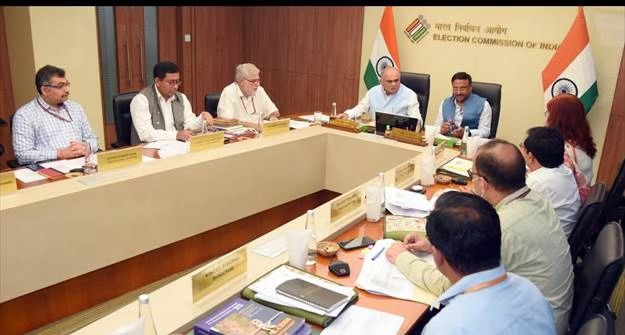

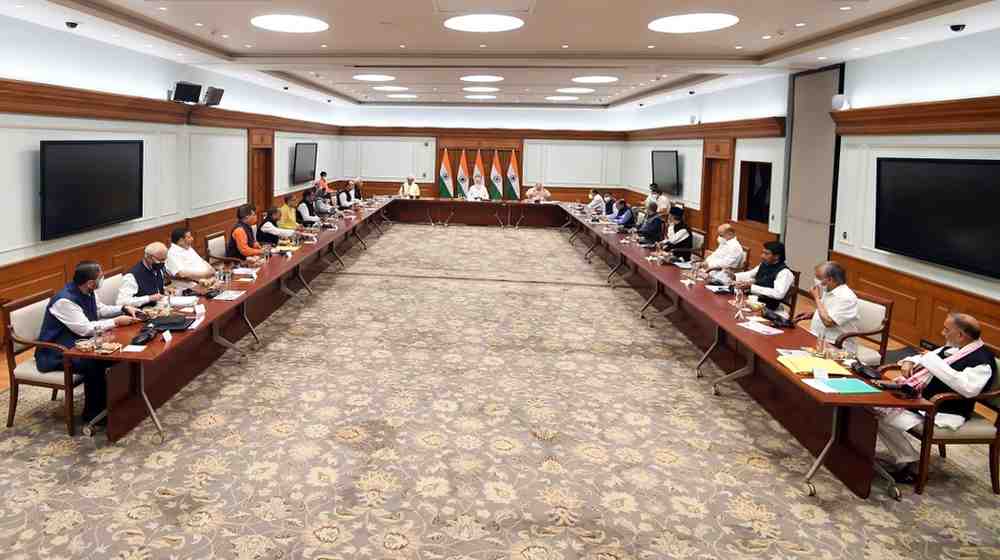
The Union government has called an all-party meeting on Wednesday, March 25, at the Parliament complex in New Delhi to discuss the ongoing West Asia conflict and its implications for India.
The meeting follows growing demands from opposition parties seeking clarity on India’s diplomatic position and preparedness amid escalating tensions involving Iran, Israel and the United States.
Key Announcements / Highlights
- All-party meeting scheduled at 5 pm in Parliament
- Discussions to focus on geopolitical tensions in West Asia
- Government to brief parties on India’s energy security and contingency plans
- Strategic importance of the Strait of Hormuz highlighted
- Multiple high-level reviews already conducted on defence and supply chains
Official Statement
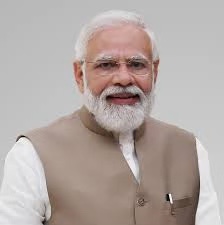
Prime Minister Narendra Modi, in recent remarks, emphasised the need for de-escalation in the region and an early return to stability. He underscored that uninterrupted navigation through the Strait of Hormuz remains critical for global trade and energy flows.
During a recent conversation with US President Donald Trump, both leaders discussed the evolving situation and stressed the importance of keeping key maritime routes open.
The Prime Minister also assured Parliament that India has sufficient crude oil reserves and systems in place to maintain uninterrupted supply despite external disruptions.
Context / Background
The Strait of Hormuz is one of the world’s most crucial oil transit chokepoints, handling a significant share of global petroleum exports. Any disruption in this region can directly affect countries like India, which rely heavily on imported crude oil.
The current tensions in West Asia have raised concerns globally, particularly around energy prices, supply chain disruptions, and regional stability.
In response, the Indian government has already initiated several preparedness measures. Defence Minister Rajnath Singh recently chaired a high-level security review with senior military leadership and defence officials to assess India’s readiness.
Additionally, the government has set up seven empowered groups to monitor and respond to challenges related to fuel availability, logistics, and fertiliser supplies.
Public Impact
For India, the conflict’s most immediate impact could be on fuel prices, supply chains, and inflation.
However, the government’s assurance of adequate oil reserves and strengthened strategic petroleum storage aims to reduce short-term risks. Measures to secure fertiliser supply are also critical, given their importance for agriculture and food security.
The all-party meeting is expected to ensure political consensus and transparency on how India plans to navigate the situation.
Conclusion
The Centre’s decision to convene an all-party meeting signals the seriousness of the evolving West Asia crisis and its potential implications for India.
With ongoing diplomatic engagement, strengthened reserves, and strategic planning, the government aims to manage risks while maintaining stability in essential sectors. Further updates are expected following the meeting as the situation continues to develop.
Input & Images : Hindusthan Samachar
Last Updated on: Wednesday, March 25, 2026 1:06 pm by Monisha Angara | Published by: Monisha Angara on Wednesday, March 25, 2026 1:06 pm | News Categories: Delhi
About The Author